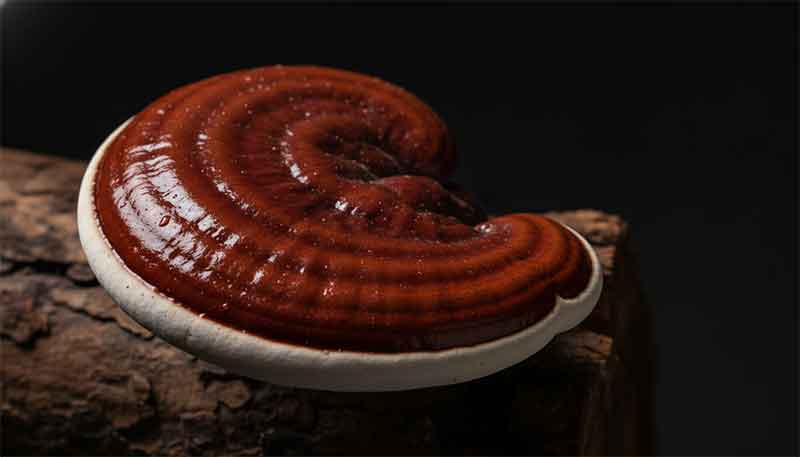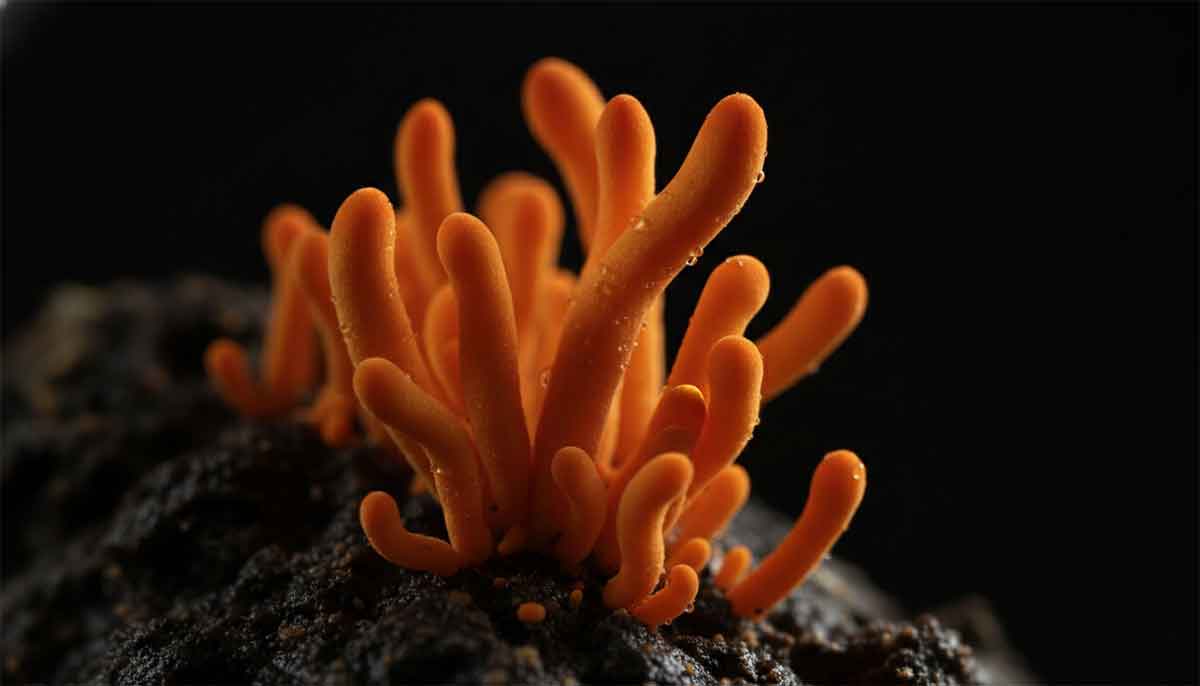
The parasite that controls minds. That is literally what Cordyceps does in nature - it infects insects, hijacks their nervous system, forces them to climb to an optimal height, then erupts from their heads to spread spores. If you have watched the opening of The Last of Us, you have seen a fictional version of this.
The mushroom you put in a capsule does not do this to humans. What it does do is arguably more interesting from a biochemistry standpoint: it activates one of the most important energy-regulating pathways in the human body through a mechanism that overlaps directly with longevity pharmacology. The performance data is already solid enough to take seriously. The longevity connection is still being sorted out by researchers - but the direction is clear.
Two Species, One Supplement Category
The Cordyceps family has over 600 species. Two matter for supplementation:
| Species | Source | Verdict |
|---|---|---|
| C. sinensis (wild) | Tibetan plateau, 3,000-5,000m altitude, harvested from caterpillar larvae | Astronomically expensive, inconsistent quality, mostly hype in the supplement market |
| C. sinensis Cs-4 (fermented) | Lab-fermented mycelium of a specific strain | Used in most serious clinical trials. Consistent and bioavailable. |
| C. militaris (cultivated) | Commercially cultivated on grain or liquid substrate | Best value. Higher cordycepin content than wild sinensis. Most modern research uses this. |
If a label says "Cordyceps sinensis" without specifying Cs-4 or cultivated mycelium, you are almost certainly getting cheap grain-grown material with minimal cordycepin content. If it says "wild Cordyceps sinensis" and costs under 50 euros, it is not what the label claims. C. militaris fruiting body extract is the honest, evidence-backed choice.
The Bioactive Compound Profile
The primary active compound. An adenosine analog - similar enough to adenosine to enter cells through adenosine transporters and activate the same energy-sensing pathways. The main driver of AMPK activation and ATP-related effects.
Found directly in Cordyceps extracts. Works alongside cordycepin to influence vasodilation, oxygen delivery, and cellular energy signaling. Contributes to the improved exercise tolerance observed in clinical trials.
The immune-modulating fraction. Cordyceps polysaccharides activate macrophages and natural killer cells, and have shown antioxidant activity relevant to post-exercise recovery and anti-aging applications.
One of the first compounds isolated from Cordyceps in 1951. Contributes to anti-inflammatory and metabolic effects. Less studied than cordycepin but part of the full-spectrum activity profile.
The AMPK Connection: Where Energy Meets Longevity
This is the mechanism that most Cordyceps marketing either gets wrong or ignores entirely. Cordycepin enters cells via adenosine transporters. Once inside, it is metabolized into mono-, di-, and triphosphate forms. At sufficient concentrations, these effectively substitute for cellular adenine nucleotides. The result: AMPK activation.
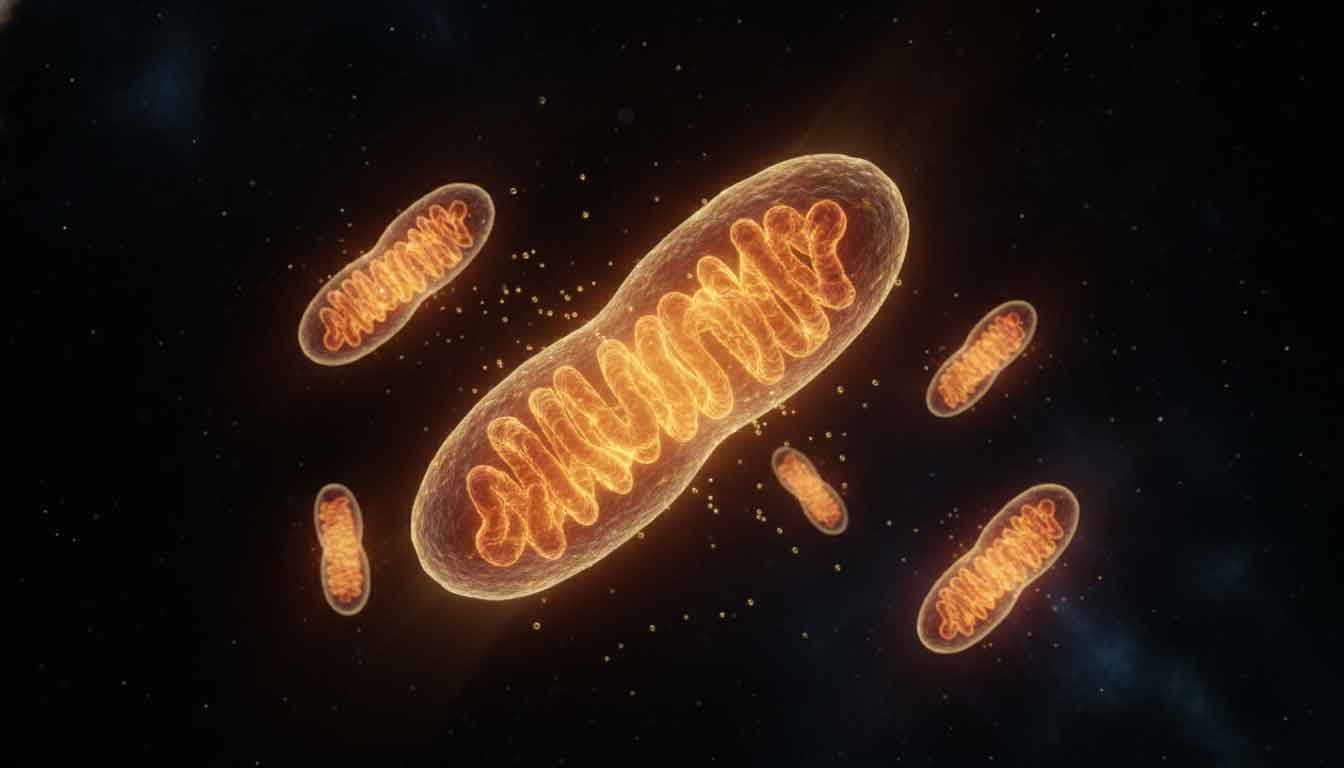
AMPK is the cellular energy sensor. When energy is low, AMPK switches on catabolic processes: it stimulates glucose uptake, fatty acid oxidation, and - critically - mitochondrial biogenesis. More mitochondria means more ATP production capacity. This is exactly the metabolic adaptation that endurance athletes develop over years of training, and what caloric restriction mimetics like metformin target for longevity purposes.
Cordycepin activates AMPK pharmacologically, without caloric restriction or pharmaceutical intervention. This places it in the same category as berberine and resveratrol as natural AMPK activators - and makes the longevity connection biochemically plausible rather than speculative.
The 2024 Sirtuin Data
A 2024 double-blind, placebo-controlled clinical trial published in International Journal of Molecular Sciences (PMC11049886) investigated a standardized C. sinensis mycelium extract in 40 subjects. The findings reframe how Cordyceps should be positioned in a longevity stack.
Sirtuins are the longevity proteins targeted by NMN, NR, and resveratrol supplementation. SirT6 is directly involved in DNA repair and inflammation suppression - one of the most interesting anti-aging targets currently under investigation. A 72% increase in SirT6 expression from a mushroom extract is a number worth noting.
Exercise Performance: What the RCTs Actually Show
VO2max (3 weeks)
Double-blind RCT: +4.8 ml/kg/min improvement after 3 weeks at 4g/day C. militaris blend (p = 0.042 vs placebo). Time to exhaustion improved by 70 seconds.
Elderly Exercise Capacity
12-week RCT in adults aged 50-75: 3g/day Cs-4 improved ventilatory threshold and exercise capacity markers vs placebo. Relevant for longevity VO2max maintenance.
Acute Effects
One week of supplementation showed no significant VO2max improvement in the same RCT. Effects require consistent use over at least 3 weeks - this is not a pre-workout stimulant.
Trained Athletes
At least one well-designed trial in endurance-trained cyclists showed no meaningful effect - highly trained individuals with already-optimized mitochondrial capacity see less benefit.
Cordyceps is not a pre-workout stimulant. It does not work acutely. It works over weeks by improving the underlying machinery - mitochondrial density, oxygen utilization efficiency, ventilatory threshold. If you expect to feel something in the first week, you will be disappointed. Stay consistent for a month and the data suggests real improvements - particularly if your baseline is not already highly trained.
Dosage and Timing
| Form | Effective Range | Notes |
|---|---|---|
| C. militaris fruiting body extract | 1,000-3,000 mg/day | Best option. Look for standardized cordycepin content. |
| Cs-4 fermented mycelium | 3,000 mg/day | Used in elderly RCTs. Consistent quality. Slightly lower cordycepin than militaris. |
| Generic "Cordyceps sinensis" powder | Any dose | Avoid. Likely grain-grown mycelium with minimal active compounds. |
| Wild C. sinensis | Any dose | Not worth the cost for supplementation. Traditional medicine context only. |
Timing: Morning or pre-workout. Cordyceps is energizing through mitochondrial mechanisms - it does not contain caffeine but increases cellular energy availability. Taking it in the evening may interfere with sleep in sensitive individuals. In the ARI personal stack it sits in P2 (breakfast with fat) on a cycling protocol - 8 weeks on, 2-4 weeks off.
Clinical trials ran 3 to 12 weeks. There is no established reason for continuous year-round supplementation, and AMPK signaling pathways can adapt over time. Mark it as (C) in your stack - daily during active blocks, off during rest periods. This mirrors how the ARI team uses it.