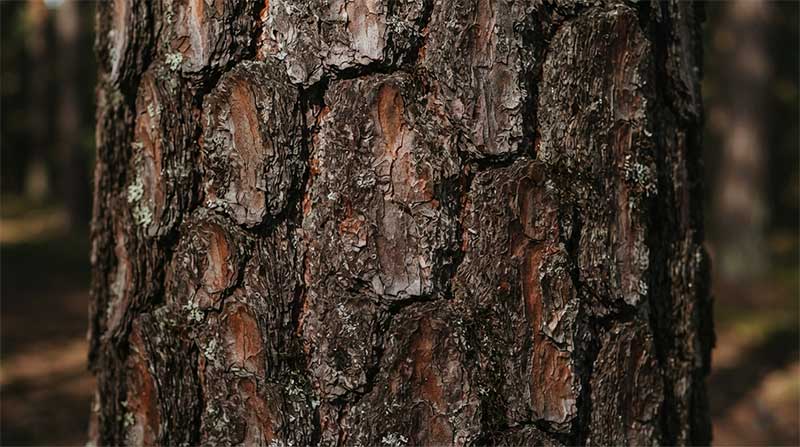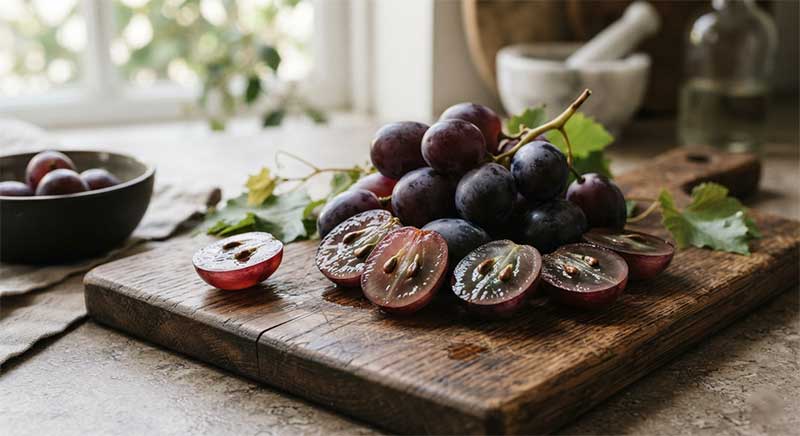
OPC is one of those supplement labels that sounds like it names a single, specific ingredient, when it actually names an entire chemical family. Oligomeric proanthocyanidins are polyphenol compounds built from chains of catechin and epicatechin units - the same broad flavanol class that gives green tea, cocoa, and many fruits their characteristic antioxidant reputation. They occur naturally in several different plants, and two of the most commercially important sources happen to be the ones covered on this site: grape seeds and pine bark. When you see a product simply labeled "OPC," it's almost always grape seed extract specifically, standardized to a stated percentage of these compounds. Pine bark extract, by contrast, has built its own separate commercial identity under the branded name Pycnogenol, covered in its own dedicated article on this site.
Understanding that these two products are close cousins rather than the same thing turns out to matter quite a bit, both for evaluating the marketing claims attached to each one and for deciding which, if either, is worth your money. This article works through what the grape seed side of that family actually has evidence for, where the real gaps and uncertainties sit, and then puts the two side by side to see how they actually compare.
The Dosing Gap That Runs Through the Entire Category
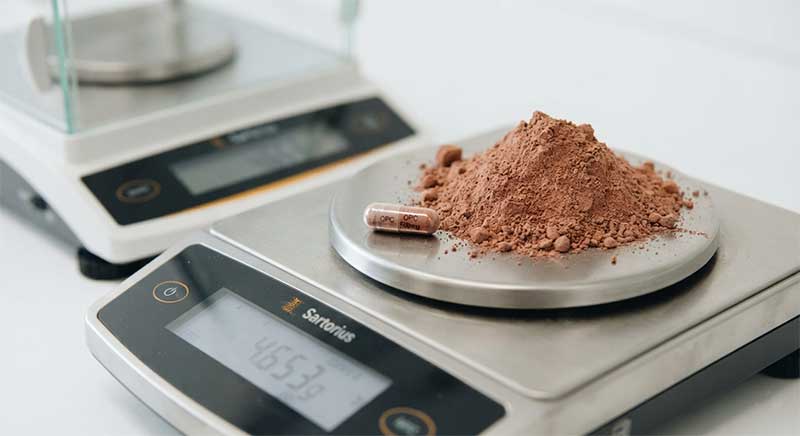
If there's one detail worth understanding before anything else about grape seed extract, it's this: the range of doses used across clinical research is enormous, and it doesn't line up cleanly with what's actually available on store shelves.
2,000mgCardiovascular Trials
500mgLiverTox Monograph
100mgTypical Commercial Product
What the Most Careful Reviewers Actually Conclude
Given how much of grape seed extract's popularity rests on its antioxidant reputation and its associations with cardiovascular and skin health, it's worth being direct about what the most careful, most independent evidence reviews currently say - because the honest answer is more reserved than most product pages suggest.
NCCIH's Official Position
The National Center for Complementary and Integrative Health states plainly that although some well-controlled studies on grape seed extract exist, there is not currently enough high-quality evidence to support its use for any specific health condition.
Drugs.com's Independent Review
A separately authored, medically reviewed monograph reaches an almost identically cautious conclusion: grape seed shows a possible role in cardiovascular disease, but large, quality clinical trials are lacking to recommend its use for any indication.
Endothelial and Blood Pressure Effects
A systematic review and dose-response meta-analysis of controlled trials found genuine effects on flow-mediated dilation, blood pressure, and heart rate - a real, mechanistically coherent signal similar in spirit to what's been found for pine bark extract, though the authors themselves frame it within a broader picture of variable trial quality.
Product-to-Product Inconsistency
Independent reviewers specifically flag that the composition of commercial grape seed preparations is highly variable - a distinct, additional source of uncertainty layered on top of the dosing gap already described above.
It's worth being fair to grape seed extract in one specific way: "not enough high-quality evidence to recommend use" is a genuinely different, more measured statement than "proven not to work." The endothelial function and blood pressure research described above shows real, mechanistically sensible signals - the caution from NCCIH and other independent reviewers reflects trial quality and consistency problems, not a confirmed absence of any effect. This is a supplement sitting in a genuinely unresolved, moderately promising evidence tier, not a debunked one.
The "95% OPC" Label Problem
Beyond the dosing question, there's a second, more technical source of confusion worth understanding if you're actually trying to compare products, because it affects whether two bottles both claiming "95% OPC" are really delivering comparable amounts of anything.
A "95% OPC" or similar standardization claim sounds precise, but independent industry analysis notes that this figure can refer to either total proanthocyanidin content broadly, or a more narrowly and specifically defined oligomeric fraction - and different manufacturers use different assay methods to arrive at their number. This means two products both labeled "95% OPC" aren't guaranteed to be measuring, or delivering, the same thing, even before accounting for the underlying dose differences described above. This is a real ambiguity in how the category is labeled, not necessarily deliberate deception - but it means the specific percentage on a bottle is a less reliable comparison tool than it appears to be at first glance.

Grape Seed Extract vs. Pine Bark Extract: A Direct Comparison
Since these two products are so often mentioned in the same breath, and since we've now covered both on this site, it's worth putting them side by side directly rather than leaving the comparison implicit. Both are legitimate sources of oligomeric proanthocyanidins. Both have some genuine positive clinical signal, particularly around vascular and endothelial function. And both come with real caveats that matter more than their marketing usually acknowledges.
| Factor | Grape Seed Extract (OPC) | Pine Bark Extract (Pycnogenol) |
|---|---|---|
| Standardization | Highly variable between manufacturers; "% OPC" claims can measure different things | Patented, USP-standardized (65-75% procyanidins) under one branded product |
| Dosing consistency across trials | Very wide range (150-2,000mg); commercial products often far below trial doses | Somewhat more consistent, with 200mg/day appearing in several of the stronger trials |
| Official evidence verdict | NCCIH: insufficient evidence for any specific indication | Cochrane: insufficient evidence across 7 examined chronic conditions |
| Strongest individual finding | Meta-analysis showing real flow-mediated dilation and blood pressure effects | Single strong RCT (P<0.0001) showing endothelial function improvement in coronary artery disease patients |
| Breadth of marketing claims | Cardiovascular, skin, cognition - narrower than pine bark's marketing | Extremely broad - cardiovascular, cognition, joints, skin, eyes, respiratory, oral health, sports performance |
If you're choosing between the two, pine bark extract (specifically the standardized Pycnogenol product) is the somewhat stronger choice for one clear, practical reason: it's a single, patented, consistently standardized extract, which means the product you buy is far more likely to actually match what the research tested. Grape seed extract's underlying compounds are just as scientifically interesting, and its blood pressure and endothelial function research is genuinely comparable in quality to pine bark's - but the wide-open standardization landscape and the dosing gap between trials and commercial products make it meaningfully harder to know what you're actually getting from any given bottle. Both sit in the same honest evidence tier - real, if unconfirmed, promise - but Pycnogenol's standardization advantage gives it a practical edge for anyone specifically trying to replicate what a clinical trial actually tested. If you already have a grape seed extract product with a clearly disclosed, trial-relevant dose and transparent testing, there's no strong reason to switch - the underlying compound class is the same family either way.
A Practical Approach
Getting the Most Out of a Grape Seed Extract Purchase
Dosing
| Purpose | Studied Range | Notes |
|---|---|---|
| Cardiovascular markers (as studied) | 150 - 2,000mg/day, 2-24 weeks | Reflects the full range used across trials measuring flow-mediated dilation, blood pressure, and heart rate |
| General antioxidant / commercial use | 50 - 100mg/day | Reflects most commercially available products; well below many trial doses above |
| Well-tolerated upper range | Up to 2,500mg/day | General tolerability data; not the same as an established effective dose for a specific outcome |
Grape seed extract appears generally well tolerated even at doses up to 2,500mg/day, with mild gastrointestinal upset being the most commonly reported side effect at higher doses. It carries a documented bleeding risk when combined with anticoagulant or antiplatelet medication, given its effects on platelet function and blood vessel activity - discuss use with a physician if you take blood thinners. As with pine bark extract, treat any cardiovascular-related use as a complement to, not a replacement for, established medical management.
What It Stacks Well With
Disclosed Assay Methodology
The single most valuable addition to any grape seed extract purchase, given how much the "% OPC" claim can vary in what it actually measures.
Standard Cardiovascular Care
Best positioned as a discussed complement to established management, given the genuinely promising but not yet confirmed endothelial and blood pressure research.
Dose Verification Against Trial Ranges
Checking mg per serving against the 150-2,000mg trial range is the most practical, actionable step for this specific supplement.
Anticoagulant / Antiplatelet Medication (Caution)
A real, documented bleeding risk interaction - flag concurrent use with your physician.
Undisclosed Standardization Products (Caution)
A "95% OPC" label without a disclosed assay method leaves genuine ambiguity about what you're actually purchasing.
Upcoming Surgery (Caution)
Given the bleeding risk consideration, disclose use to your surgical team ahead of any planned procedure.