Before getting into the specific evidence for pine bark extract, it's worth naming a general principle that applies well beyond this one supplement, because pine bark extract happens to be an unusually clean example of it. Science-Based Medicine's review of this compound states the rule plainly: the more diverse the effects a product is claimed to have, the less likely any single one of those claims is true. This isn't cynicism for its own sake - it reflects a basic biological reality. Compounds that genuinely, powerfully affect one specific physiological pathway are rare, and a substance claimed to meaningfully help your heart, your brain, your joints, your skin, your eyes, your respiratory system, and your athletic performance all at once is being asked to do an implausible amount of biological work through one mechanism.
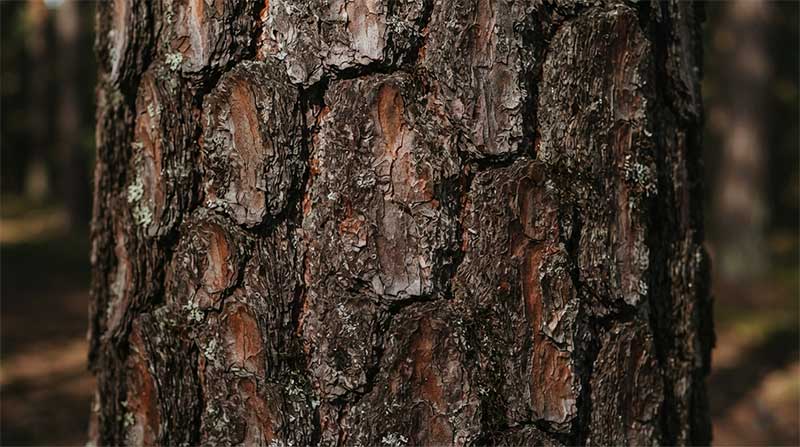
Pine bark extract, most commonly sold under the trademarked name Pycnogenol, derived from French maritime pine (Pinus pinaster) bark, is marketed across essentially all of those categories at once. That breadth doesn't mean none of it is true. It does mean the honest approach is to look at each specific claim on its own merits, rather than letting an impressively long list of applications create a false sense of comprehensive, well-established benefit.

The Comprehensive Verdict: A Cochrane Review Across Seven Conditions
The single most useful piece of evidence for calibrating expectations here is a 2012 Cochrane review, the type of systematic review generally considered the gold standard for evaluating whether a treatment's evidence base is actually solid.
791Seven Conditions

The One Signal Worth Taking Seriously on Its Own Terms
None of the above means every study on pine bark extract is weak, and it would be its own kind of oversimplification to treat the Cochrane review's broad caution as the final word on everything the extract has been studied for. One specific, well-designed trial deserves attention precisely because it stands somewhat apart from the pattern above.
Endothelial Function in Coronary Artery Disease
A randomized, double-blind, placebo-controlled crossover trial in 23 patients with stable coronary artery disease found that 200mg/day of Pycnogenol for 8 weeks significantly improved flow-mediated dilation, a direct measure of blood vessel function, from 5.3% to 7.0% (P < 0.0001), while placebo showed no improvement.
LDL Cholesterol
A meta-analysis of 5 controlled studies (442 participants) found no effect on total cholesterol, HDL, or triglycerides, but identified a real, statistically significant dose-dependent relationship with LDL reduction - the authors themselves noted the effect size was likely too small to be clinically meaningful on its own.
Chronic Venous Insufficiency
This is one of pine bark extract's longer-standing traditional use cases, with some supporting trial history, though the Cochrane review's inclusion of only 2 studies (n=60) for this specific condition reflects the same small-sample limitation seen throughout the broader evidence base.
Long COVID
An early study found statistically significant improvements in oxidative stress markers and quality-of-life scores in long COVID patients, genuinely interesting preliminary data that a 2023 clinical guideline explicitly categorized as "worth exploring" rather than a confirmed treatment.
A result significant at P < 0.0001 in a properly randomized, placebo-controlled crossover design is a genuinely strong statistical signal, and it would be its own kind of unfair dismissal to wave it away just because the sample size was modest (23 patients) or because other pine bark trials have been weaker. The honest read is that this specific finding, in this specific population (stable coronary artery disease patients), on this specific, objectively measured outcome (flow-mediated dilation), represents real, good-quality evidence for one narrow claim, not confirmation of the entire broad marketing story built around the same extract.
Why the Specific Branded Extract Matters More Than Usual
Here's a detail that distinguishes pine bark extract from some of the adulteration-prone botanicals covered elsewhere on this site, and it's worth understanding clearly rather than assuming every supplement quality story looks the same.
Pycnogenol is a proprietary extract developed and commercialized by Horphag Research, which holds exclusive global distribution rights, standardized to contain 65-75% procyanidins under United States Pharmacopeia specifications. This isn't the same situation as Rhodiola rosea or Tongkat Ali, where cheaper, related species get substituted into products labeled as the real thing - the concern here is different: nearly all of the clinical trial evidence, including both the Cochrane review and the positive endothelial function trial, was conducted specifically on this branded, standardized extract. A generic "pine bark extract" product, sourced and processed differently, without the same standardization, isn't necessarily fraudulent the way an adulterated Rhodiola product would be, but it also isn't guaranteed to deliver the same procyanidin profile the trials actually tested, simply because "pine bark extract" as a category name covers a wider range of processing approaches than the specific patented product most of the research is based on.
A Practical Approach
Reading Pine Bark Extract Claims Well
Dosing
| Purpose | Studied Dose | Notes |
|---|---|---|
| Endothelial function (as studied) | 200mg/day, standardized Pycnogenol | Reflects the coronary artery disease trial dose and duration (8 weeks) |
| General use across various trials | 20 - 360mg/day, or weight-based for some conditions | Trial doses vary widely by condition studied, most commonly for 2-3 weeks; ADHD trials used 1mg/kg/day |
Pine bark extract has generally shown a favorable tolerability profile across its clinical trial history, with mild gastrointestinal upset and dizziness being the most commonly reported side effects. Given its investigated effects on blood vessel function and some antioxidant/anti-inflammatory properties, discuss use with a physician if you're taking anticoagulant or blood pressure medication, given the potential for interaction with these effects. As with any supplement making cardiovascular claims, it should be considered a complement to, not a replacement for, established cardiovascular disease management.
What It Stacks Well With
Standard Cardiovascular Care
Best positioned as a discussed complement to, not a substitute for, established cardiovascular management if endothelial function is your interest.
Verified Standardization
Given how much of the evidence is tied to one specific branded extract, checking for genuine Pycnogenol standardization matters more here than for most supplements.
Healthy Skepticism of Broad Claims
The "how many conditions does this claim to help" heuristic is worth applying to any supplement marketed this broadly, not just this one.
Anticoagulant Medication (Caution)
Discuss with a physician given pine bark extract's investigated vascular effects and potential for interaction.
Blood Pressure Medication (Caution)
Coordinate use with your prescriber given overlapping mechanisms, even though the underlying hypertension evidence itself is limited.
Generic, Non-Standardized Products (Caution)
Given how tied the research is to one specific branded extract, an unstandardized product is a meaningfully less certain purchase.