The brain is the most metabolically demanding organ in the body, consuming roughly 20% of total energy despite representing only 2% of body weight. It is also the organ where age-related decline is most personally consequential - slower processing, memory gaps, reduced focus and eventually the neurodegenerative conditions that define cognitive aging.
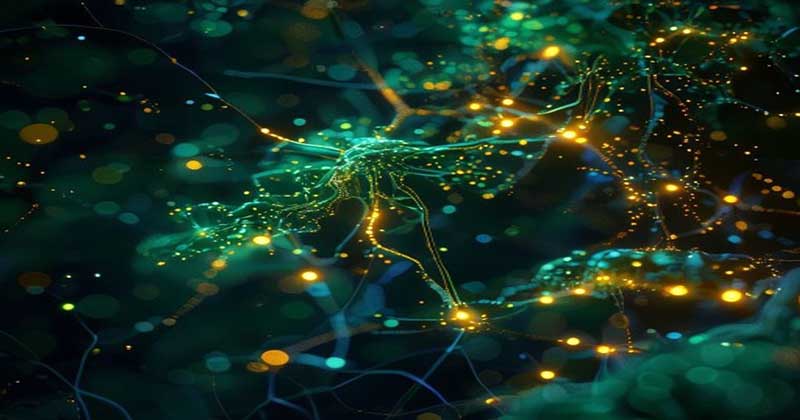
The Brain Stack addresses four distinct vulnerabilities in aging brain function: the structural integrity of neuronal membranes, the capacity for neuroplasticity and nerve regeneration, the efficiency of neurotransmitter synthesis and the energy supply to neurons. No single compound covers all four - which is why the combination is more powerful than any individual element.
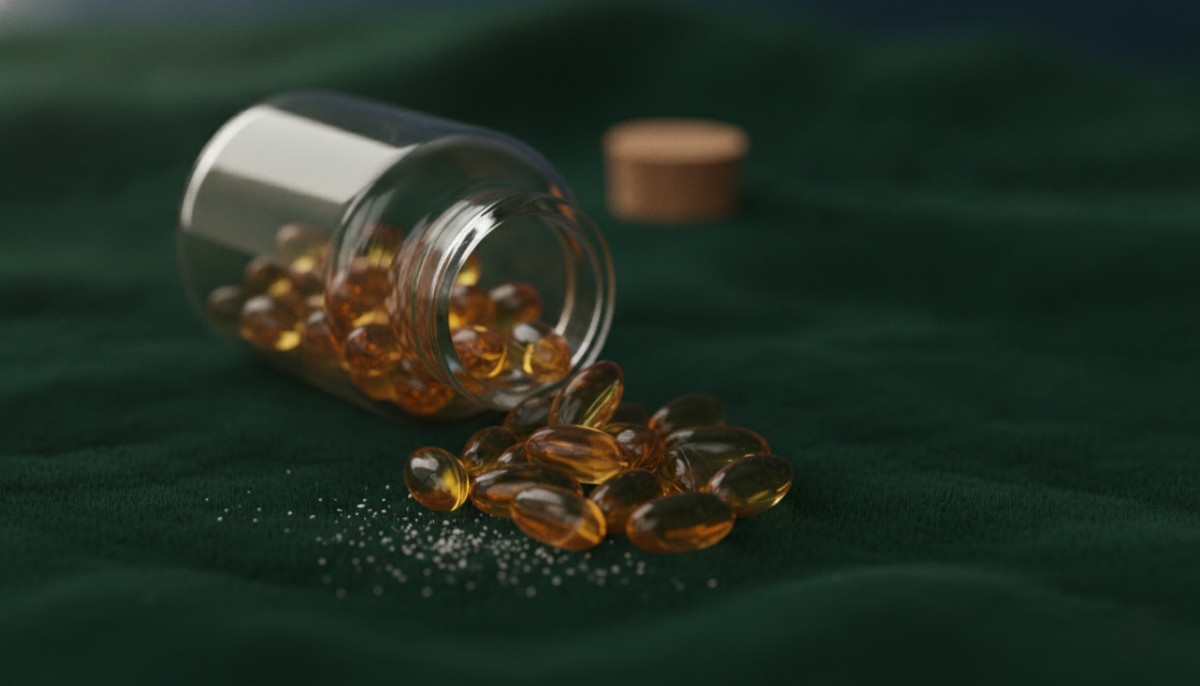
Omega-3 DHA/EPA
Structural integrity of neuronal membranes. Cerebral blood flow. Anti-neuroinflammatory.
Full guide →Lion's Mane
NGF stimulation. Neuroplasticity. Neuroprotection. Cycle 6-8 weeks on, 1-2 off.
PQQ
Mitochondrial biogenesis in neurons. Brain energy supply. Neuroprotective antioxidant.
Full guide →CDP-Choline
Acetylcholine precursor. Memory and attention. Phospholipid synthesis for neuronal membranes.
What Each Compound Targets
Structure - Omega-3 DHA
DHA (docosahexaenoic acid) makes up approximately 30% of the fatty acids in the brain's grey matter. It is incorporated into neuronal cell membranes where it maintains fluidity and receptor function. Without adequate DHA, cell membranes become stiffer, signal transduction degrades and neuroinflammation increases. The brain cannot synthesize sufficient DHA on its own - it must come from diet or supplementation.
Neuroplasticity - Lion's Mane
Lion's Mane contains hericenones and erinacines that cross the blood-brain barrier and stimulate NGF synthesis. NGF (nerve growth factor) is the protein that regulates the survival, maintenance and growth of neurons. Declining NGF is associated with age-related cognitive impairment. Lion's Mane is one of the very few dietary compounds with direct evidence for NGF upregulation.
Energy - PQQ
Neurons have the highest mitochondrial density of any cell type and the least capacity for anaerobic energy production. Mitochondrial decline directly impairs cognition. PQQ stimulates PGC-1alpha - the master regulator of mitochondrial biogenesis - causing neurons to grow more mitochondria. More mitochondria means more sustained energy for neural activity.
Neurotransmission - CDP-Choline
CDP-choline (citicoline) provides choline for acetylcholine synthesis - the neurotransmitter most associated with learning, memory and attention. It also provides cytidine, which converts to uridine and supports synaptic membrane formation. Unlike regular choline supplements, CDP-choline is the most brain-bioavailable choline source and has the strongest clinical evidence for cognitive outcomes.
The Clinical Evidence
A randomized, double-blind, placebo-controlled trial published in the Journal of Nutrition enrolled 100 healthy men and women aged 50-85 with age-associated memory impairment. Participants received 500mg Cognizin citicoline daily or placebo for 12 weeks. The citicoline group showed statistically significant improvements in memory function measured by computerized cognitive tests. This is one of the cleaner trials in the nootropic space - healthy older subjects, adequate duration, objective measurements and a validated form of CDP-choline.
Lion's Mane - The Evidence and Its Limits
Lion's Mane is one of the most promising compounds in cognitive longevity research - and also one of the most over-marketed. Understanding both the strength and the limits of the evidence helps set realistic expectations.
What is well-established: The hericenones and erinacines in Lion's Mane cross the blood-brain barrier and stimulate NGF synthesis in vitro and in animal models. A 2025 double-blind RCT published in Frontiers in Nutrition confirmed acute improvements in cognition and mood in healthy younger adults. Earlier Japanese RCTs showed significant cognitive improvements in older adults with mild cognitive impairment. Anti-neuroinflammatory and neuroprotective effects are consistently observed across multiple study designs.
What is still developing: Human studies measuring NGF levels directly in the brain are technically difficult and limited. Most human trials are small and short. The cognitive evidence is most consistent in older adults and people with existing deficits - effects in cognitively healthy younger adults are more modest. The Alzheimer's Drug Discovery Foundation rates Lion's Mane as "mixed" based on current human evidence - an honest assessment.
Most Lion's Mane supplements use fruiting body powder, which contains primarily hericenones. Erinacines are found predominantly in the mycelium. For maximum NGF-stimulating potential, look for products that specify both hericenones and erinacines content, or use a full-spectrum extract. Avoid products that simply list "Lion's Mane mushroom powder" without specifying bioactive compound content or extraction method - the variation in potency is enormous.

CDP-Choline vs Alpha-GPC - Which Form of Choline
Both CDP-choline and Alpha-GPC are well-absorbed choline forms with human clinical evidence. They differ in their secondary benefits: CDP-choline also provides cytidine/uridine for synaptic membrane support and has neuroprotective properties beyond choline supply. Alpha-GPC has slightly higher choline content per gram and some evidence for growth hormone release in athletes.
For a longevity and cognitive aging protocol, CDP-choline is the more complete option. For pure performance and acetylcholine maximization, Alpha-GPC is competitive. Either works significantly better than standard choline sources like lecithin or choline bitartrate, which have poor brain bioavailability.
If you are already taking TMG as part of the Anti-Aging Stack, you are already supporting the methylation pathway that choline also feeds into. CDP-choline and TMG are complementary - they support the same downstream pathway from different angles. No redundancy, no need to choose between them.
How to Take the Brain Stack
| Supplement | Daily Dose | Timing | Cycle |
|---|---|---|---|
| Omega-3 DHA/EPA | 1-2g combined DHA+EPA | With largest meal - fat-soluble | Daily - no cycling |
| Lion's Mane | 500 - 1,000mg extract | Morning - with or without food | 6-8 weeks on, 1-2 weeks off |
| PQQ | 10 - 20mg | Morning with CoQ10 if combined | 4-8 weeks on, 1-2 weeks off |
| CDP-Choline | 250 - 500mg | Morning - supports focus and alertness | Daily - safe long-term |
PQQ appears in both the Anti-Aging Stack and the Brain Stack - this is intentional. PQQ's mitochondrial biogenesis benefits apply both systemically and specifically in brain tissue. If you run both stacks, you do not need to double the PQQ dose - a single 10-20mg daily dose covers both targets. The same applies to Omega-3, which belongs in both the Foundation Stack and the Brain Stack for different but complementary reasons.