Beta-glucan occupies a strange position among the supplements covered on this site. It might be the closest thing to a genuinely regulator-approved supplement claim that exists anywhere in this category - both the FDA and EFSA have independently reviewed the evidence and agreed a specific dose does a specific thing. And yet the same word, "beta-glucan," is also used to sell a structurally different molecule for a completely different reason, with a completely different, much thinner body of evidence behind it. Most of the confusion and disappointment around this ingredient traces back to that one fact, so it's worth starting there rather than with the cholesterol numbers.
Two Molecules Wearing One Name
Beta-glucans are a broad family of polysaccharides - chains of glucose molecules - found in the cell walls of oats, barley, certain yeasts, mushrooms, algae, and bacteria. What matters isn't that they're all "beta-glucan," it's how the individual glucose units are linked together, because that structural detail determines what the molecule actually does in your body.
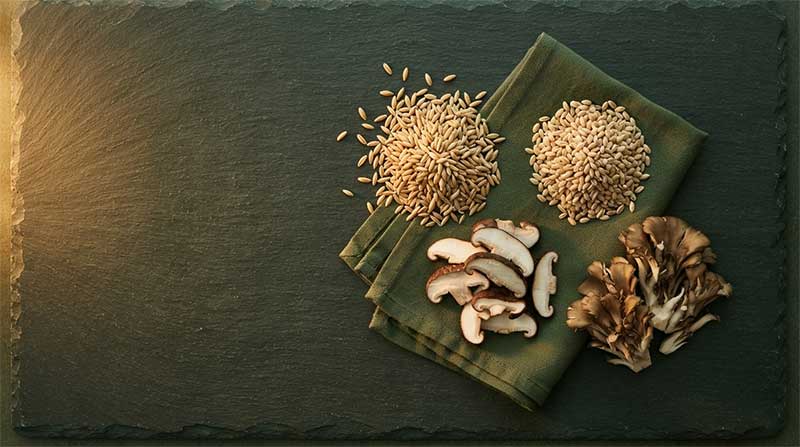
Cereal beta-glucan, from oats and barley, has a mixed (1,3)/(1,4) linkage pattern. This structure makes it highly viscous and soluble - it forms a thick gel in your digestive tract, which is the physical property behind essentially everything in the cholesterol and blood-sugar sections below. Yeast- and mushroom-derived beta-glucan, by contrast, typically has a (1,3)/(1,6) linkage pattern. This structure isn't particularly viscous; instead, it's recognized by pattern-recognition receptors on immune cells (dectin-1, in particular), which is why this version is studied almost entirely for immune effects rather than cholesterol or blood sugar. A supplement bottle simply listing "beta-glucan" without specifying the source is, functionally, not telling you which of these two things you're actually buying.
The Cholesterol Evidence: About as Solid as Supplement Science Gets
This is the part of beta-glucan's story with the strongest, most consistently replicated evidence base on this entire site. Unlike many supplements where one meta-analysis finds an effect and a later one can't confirm it, oat and barley beta-glucan has been reviewed repeatedly, by different teams, over more than a decade, and the direction and rough size of the effect keeps holding up.
28 RCTsMinimum 3g/Day
58 RCTs3,974 Participants
17 RCTsSystematic Review
Blood Sugar: A Real, But Much Narrower, Claim
Beta-glucan's viscous gel also slows gastric emptying and glucose absorption, which is the basis for a second, separate EFSA-approved claim: consuming at least 3g of oat or barley beta-glucan alongside 30g of available carbohydrate, within the same meal, reduces the post-meal (postprandial) rise in blood glucose. This is a genuinely established effect - but the "within the same meal, at this specific ratio" qualifier matters more than it might seem, and a recent regulatory case study makes that point clearly.

In 2021, Nestlé submitted a health claim to EFSA for a specific ready-to-eat breakfast cereal fortified with oat and barley beta-glucan, manufactured via pressure cooking, at a lower dose than the standard claim (1.3g beta-glucan per 25g available carbohydrate rather than the established 3g per 30g). EFSA's panel rejected the application, not because the underlying beta-glucan-and-blood-glucose mechanism is wrong - the panel explicitly reaffirmed that the general effect "is well established" - but because Nestlé hadn't shown that this specific processed product, at this specific lower dose, actually delivered a comparable effect to unprocessed food sources. Nestlé appealed and resubmitted; EFSA reviewed the comments and upheld its rejection in 2022, again citing insufficient comparative evidence. This is a useful, concrete example of a distinction that matters throughout supplement research: a real, well-established mechanism in one context doesn't automatically transfer to every branded product that name-drops it.
Satiety and Weight Loss: The Claim That Didn't Hold Up
Beta-glucan is frequently marketed as an appetite suppressant - the same viscous gel that slows glucose absorption is proposed to also increase feelings of fullness and reduce total calorie intake. This is a plausible-sounding extension of a real physical property, but it's specifically the part of the beta-glucan story that regulators have not accepted.
EFSA has specifically evaluated and rejected a proposed health claim linking beta-glucans from oats and barley to "increase in satiety leading to a reduction in energy intake," finding the submitted evidence insufficient to establish a cause-and-effect relationship. This isn't an isolated case: a review of EFSA's appetite-related health claim decisions between 2010 and 2020 found that 55 of 61 applications covering hunger, fullness, energy intake, satiation, and satiety across all ingredients were rejected, with only three weight-management and three blood-glucose claims ultimately authorized. That base rate is worth keeping in mind any time a fiber supplement's marketing leans on "keeps you fuller for longer" - it's the single hardest category of health claim to substantiate, for any ingredient, not just this one.
The Immune Story Is a Completely Separate Supplement
Everything above concerns the viscous, cholesterol-lowering (1,3)/(1,4) beta-glucan from oats and barley. Yeast- and mushroom-derived (1,3)/(1,6) beta-glucan, usually sourced from Saccharomyces cerevisiae cell walls or specific mushroom extracts, has its own separate research base focused on immune function rather than lipids or blood sugar - and it deserves to be evaluated entirely on its own terms.
Common Cold Frequency
A double-blind, randomized, placebo-controlled trial gave 162 healthy adults with recurring infections either 900mg/day of insoluble yeast (1,3)/(1,6)-beta-glucan or placebo for 16 weeks. The beta-glucan group had 25% fewer symptomatic common cold episodes than placebo, with milder progression during the colds that did occur.
Innate Immune Markers
A separate double-blind, placebo-controlled trial in community-dwelling adults aged 50-70 tested 250mg/day of yeast-derived beta-glucan over 90 winter days, finding it well tolerated and associated with changes in innate immune parameters measured in blood and saliva samples.
How It's Thought to Work
Unlike cereal beta-glucan's physical, gel-forming mechanism, yeast and mushroom beta-glucan is recognized directly by dectin-1 and other pattern-recognition receptors on macrophages and natural killer cells - researchers describe it as immunomodulatory (capable of both activating and calming immune responses) rather than a simple "immune booster."
Autoimmune Conditions
Because this form of beta-glucan interacts directly with immune receptors, there's a reasonable theoretical question about its effect in autoimmune disease - but the clinical trials establishing its safety and immune effects were conducted in healthy adults, not people with autoimmune conditions, so this specific population remains a genuine evidence gap rather than a settled question either way.
Because yeast- and mushroom-derived beta-glucan actively engages the immune system, it carries real, distinct cautions that don't apply to cereal beta-glucan. It's not recommended for people taking immunosuppressant medication or with a history of organ transplant, since it could theoretically interfere with how those drugs work - guidance echoed by transplant health organizations urging caution with any immune-active supplement in that population. People with mold or fungal allergies have also reported rare allergic reactions to yeast-derived preparations specifically. None of this applies to the oat and barley beta-glucan discussed in the cholesterol and blood-sugar sections above - it's a distinct caution tied to the structurally different, immune-active version of the ingredient.
A Practical Approach
Using Beta-Glucan Sensibly
Dosing
| Purpose | Typical Studied Dose | Notes |
|---|---|---|
| Cholesterol (oat or barley beta-glucan) | 3 - 3.5g/day | The FDA/EFSA-recognized threshold; consistent daily intake matters more than timing |
| Post-meal blood sugar (oat beta-glucan) | 3g per 30g available carbohydrate | Must be consumed within the same meal as the carbohydrate to match the studied claim |
| Immune support (yeast beta-glucan, separate product) | 250 - 900mg/day | Studied primarily for common cold frequency and innate immune markers, not cholesterol |
Oat and barley beta-glucan has an unusually clean safety profile among viscous fibers - unlike psyllium husk, it isn't associated with esophageal obstruction risk, which is part of why regulators describe it as gentle on the digestive system. Still, mix concentrated powder products with the amount of fluid stated on the label, and introduce high doses gradually - sudden large amounts of any viscous fiber can cause temporary bloating, gas, or mild diarrhea while gut bacteria adjust. Yeast- and mushroom-derived immune beta-glucan should be avoided without medical guidance by anyone on immunosuppressant medication or with a history of organ transplant, and used cautiously by anyone with a known mold or fungal allergy. Safety in pregnancy and breastfeeding hasn't been well established for either type. As with any fiber supplement, check with a physician before combining high-dose beta-glucan with other medications, since fiber can affect the absorption timing of some drugs.
What It Stacks Well With
Whole Oats & Barley
The cheapest, best-studied way to hit the 3g/day cholesterol threshold, with the added benefit of other nutrients whole grains provide.
Plant Sterols / Stanols
A separately evidence-backed cholesterol-lowering mechanism, sometimes co-formulated with beta-glucan for a combined effect.
Adequate Water Intake
Concentrated beta-glucan powders should be mixed with enough fluid, per label instructions, to work as intended and stay comfortable.
Meals Containing Carbohydrate
The blood-sugar claim specifically requires beta-glucan to be eaten alongside the carbohydrate it's meant to blunt, not on its own.
Immunosuppressant Therapy (Caution)
Applies specifically to yeast/mushroom immune beta-glucan - avoid without direct medical guidance if on immunosuppressants or post-transplant.
Autoimmune Disease (Caution)
A genuine evidence gap for immune-active beta-glucan specifically - the trials establishing its effects were run in healthy adults.