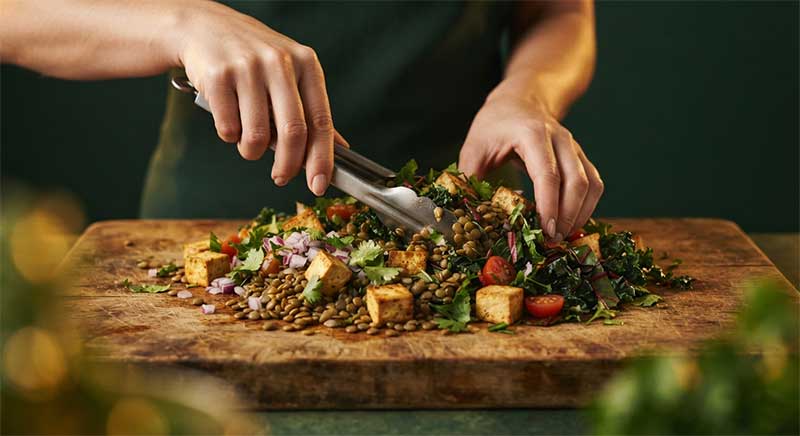
Raising a child vegan is a decision more parents are making, and it can be done safely - but "can be done safely" and "is automatically safe" are two very different claims, and the gap between them is where real, documented harm has happened to real children. This article tries to be precise about where that gap actually is: which risks are severe and well-established, which are commonly overstated, and what the current, sometimes disagreeing, pediatric nutrition guidelines actually recommend.
The One Risk That Can Cause Irreversible Harm: Vitamin B12
If this article contains only one piece of information a reader takes away, it should be this section. Unlike most of the nutrients discussed here, vitamin B12 deficiency in infants and young children isn't a matter of suboptimal growth curves or subtle biochemical markers - it's a well-documented cause of serious, sometimes lasting neurological damage, described in dozens of published medical case reports spanning decades and multiple countries.
Exclusively breastfed infants depend entirely on their mother's vitamin B12 status, since B12 doesn't cross into breast milk in adequate amounts if the mother herself is deficient - and strict vegan diets, without supplementation, reliably produce maternal B12 deficiency over time. Published case reports describe infants presenting with developmental regression, loss of previously reached milestones, involuntary movements, seizures, central apneas, hypotonia, and in more severe cases, visible brain atrophy on imaging. A review of 25 published infant B12 deficiency cases found vegan maternal diets associated with roughly half of them. Critically, outcomes are not uniformly reversible: in one followed cohort of vegan-associated cases, 5 of 7 infants still showed abnormal neurological development at follow-up periods ranging from 13 months to 12 years after diagnosis and treatment. The mean time from first symptoms to diagnosis in a large pooled analysis of 292 cases was 2.6 months - a meaningful window during which real, ongoing neurological injury can occur, often because clinicians don't immediately suspect B12 deficiency in an otherwise apparently healthy-looking infant.
The fix is straightforward and highly effective: infants breastfed by vegan mothers who supplement adequately with B12, or who receive B12 through fortified formula, fortified foods, or direct supplementation, develop normally. This isn't a difficult or expensive intervention - it's a well-understood, correctable deficiency that continues to cause preventable harm primarily because some parents and even some clinicians don't realize how quickly and severely it can present.

What the Official Guidelines Actually Say (And Why They Disagree)
This is worth addressing directly, because the honest state of expert opinion is genuine disagreement, not a settled consensus either for or against - and knowing that disagreement exists is itself useful context for any parent trying to make this decision.
ESPGHAN Position Paper
The European Society for Paediatric Gastroenterology, Hepatology and Nutrition's 2025 systematic review (covering roughly 1,500 children across 10 studies) concludes that focusing on protein, omega-3, calcium, and iron intake, alongside essential B12 supplementation, is necessary during childhood on a strict vegan diet - implying the diet can be managed safely with the right attention, while explicitly calling the current evidence base limited.
Academy of Nutrition and Dietetics (AND)
The AND has stated that "well-planned vegan, lacto-vegetarian, and lacto-ovo-vegetarian diets are appropriate for all stages of the life cycle, including pregnancy and lactation" - the most permissive major position among the bodies discussed here.
German Nutrition Society (DGE)
The DGE's original 2016 position stated a vegan diet was "not recommended" for children, pregnant women, and breastfeeding mothers. Its 2024 update softened this specific language - it now states it "cannot make a clear recommendation either in favour of or against" a vegan diet for these vulnerable groups, citing limited available data, while still strongly recommending professional nutritional counseling given the risk of "potential, possibly irreversible consequences if not implemented properly."
Austrian Society of Pediatric and Adolescent Medicine
Citing the necessity of dietary supplementation, insufficient study data, and inconsistent dosage guidance for safe B12 supplementation specifically, this body states a vegan diet "cannot be recommended" for pregnant and lactating women and young children at present, though it does not prohibit the choice if pursued under professional medical supervision.
None of these bodies are working from fundamentally different case reports or data - they're making different judgment calls about how much weight to place on a genuinely limited evidence base (the ESPGHAN review itself notes only 10 qualifying studies covering roughly 1,500 children total) versus the documented severity of what happens when the diet is poorly managed. The practical takeaway that all of them agree on, explicitly or implicitly, is that professional guidance and regular monitoring are not optional extras for a vegan child - they're the specific factor separating the well-documented safe outcomes from the well-documented harmful ones.
Growth and Development: Mostly Reassuring, With Real Exceptions
This is an area where it's easy to overstate the risk in either direction, so it's worth being precise about what different studies actually found.
No Difference in Well-Planned Cohorts
Germany's VeChi Diet Study (children 1-3 years) and VeChi Youth Study (children and adolescents 6-18) both found no significant differences in height, BMI, or mid-upper arm circumference between vegan and omnivore children - reassuring data from a population where dietary supplementation appears to be reasonably common.
Small But Real Stunting Risk
A broader systematic review of plant-based diets in children found that vegan - but notably not vegetarian - diets can restrict growth relative to omnivorous children and increase the risk of stunting and being underweight, though the review describes the affected percentage as relatively small and strongly tied to how well the diet is planned.
Bone mineral content appears more consistently affected: several studies describe reduced bone mineral content and density in vegetarian and, more pronounced, vegan children compared to omnivores - though well-planned diets with proper calcium and vitamin D supplementation appear to substantially reduce this risk. The honest summary is that growth outcomes for vegan children depend heavily on how carefully the diet is constructed, monitored, and supplemented - exactly the kind of nuance that gets lost when this topic is argued from anecdote in either direction.
Iodine: The Overlooked Risk
Of all the risks discussed in this article, iodine may be the one that receives the least public attention relative to how measurable its effect actually is.
vs 20%Iodine Deficiency Rate
vs 2.1%Thyroid Antibody Positivity
Zinc and Selenium: Real, Measurable Blood-Level Differences
Unlike some nutrient concerns that remain theoretical extrapolations from dietary intake estimates, zinc and selenium status in vegan children has been directly measured in blood, and the differences are real.
The German VeChi Youth Study measured serum concentrations directly in 342 children and adolescents (86 vegan, 120 vegetarian, 118 omnivore). Vegan children showed significantly lower serum selenium and selenoprotein P (a functional selenium status marker) than omnivore children, and significantly lower serum zinc as well, despite higher dietary copper intake. Since animal-derived foods are the primary source of selenium, zinc, and copper in most diets, this pattern reflects a genuine, measurable nutritional gap rather than a dietary intake estimate that might not translate to actual physiological status.
DHA (Omega-3): Nearly Absent Without Supplementation
The body can technically convert plant-based ALA (found in flaxseed, walnuts, and chia seeds) into the long-chain omega-3 fatty acids EPA and especially DHA, but this conversion process is well known to be inefficient in humans generally, and the practical dietary data in vegan children reflects that limitation clearly.
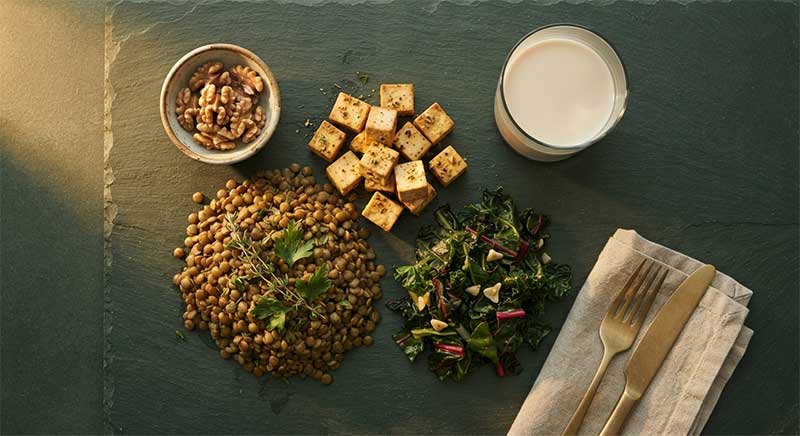
In the VeChi Youth Study, omnivore children's average dietary DHA intake was 156mg/day, largely from fish, while vegan children's average intake was effectively 0mg/day without supplementation - despite vegan children actually having the highest intake of ALA and total PUFA of any dietary group in the study. Algae-derived DHA supplements exist specifically to close this gap without requiring fish consumption, and are the most direct, reliable fix for this specific nutrient shortfall.
What's Usually NOT a Problem: Protein, Iron, and Folate
It's worth correcting a common misconception directly, because it changes where parental attention should actually go: protein deficiency is rarely the real risk in a reasonably varied vegan children's diet, and several other commonly feared nutrients often come out ahead of omnivore intakes in careful dietary studies.
Protein
The German VeChi study found protein intake in vegan children exceeded national recommendations by at least a factor of 2.3 - a genuine surprise relative to the common assumption that vegan children are protein-deficient, though protein quality (amino acid completeness across combined plant sources) still deserves basic attention.
Iron, Magnesium, Folate
The VeChi Youth Study found vegan children had notably higher intakes of iron (+61%), magnesium (+64%), folate (+39%), and vitamin C (+52%) compared to omnivore children - though iron from plant sources is less efficiently absorbed, so iron status markers still deserve periodic checking despite higher intake.
A Practical Approach
Raising a Vegan Child Safely, By Priority
Dosing & Monitoring Reference
| Nutrient | Typical Guidance | Notes |
|---|---|---|
| Vitamin B12 | Age-appropriate daily supplement; ~1.5mcg/day for infants 7-11 months, rising with age | The single most critical, non-negotiable supplement discussed in this article |
| Vitamin D | ~10mcg/day for infants during complementary feeding | A concern for all children regardless of diet, but consistently monitored in vegan pediatric guidance |
| Iodine | 70-130mcg/day for infants; use iodized salt for older children | Avoid excessive intake; do not rely on seaweed as a primary source given inconsistent, sometimes very high iodine content |
| DHA (algae-derived) | Age-appropriate algae oil supplement | Closes a gap that plant ALA sources alone do not reliably fill |
| Iron, zinc, calcium, vitamin B2 | Monitor via periodic blood work and dietary review | Often adequate with a varied, well-planned diet, but worth confirming rather than assuming |
Exclusively Breastfed Infant (Confirm Maternal B12)
The specific, highest-stakes scenario behind the majority of published severe deficiency cases.
Developmental Regression (See a Doctor Promptly)
A red flag that has repeatedly delayed diagnosis in published case reports when not acted on quickly.
Iodized Salt
A simple, consistent fix for a measurably real thyroid-function risk.
Registered Dietitian / Pediatrician
Recommended by every major nutrition body discussed in this article, regardless of their overall stance.
Periodic Blood Monitoring
B12 markers, vitamin D, iron, and growth parameters, especially during rapid growth phases.
Algae-Derived DHA
The most direct fix for a nutrient gap that dietary ALA alone does not reliably close.