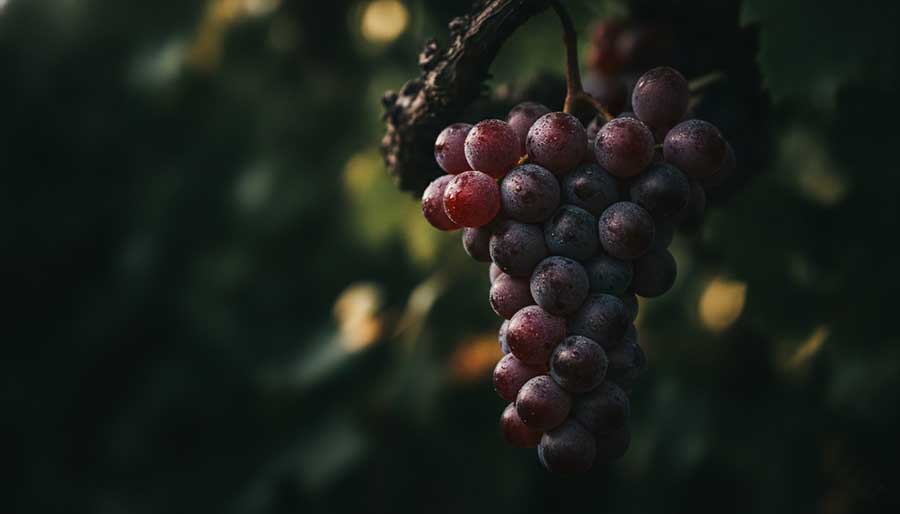
Once upon a time, resveratrol was the miracle molecule in red wine - the reason French people could eat cheese, drink liberally, and still have better cardiovascular health than Americans on paper. The headlines were excited. The supplement industry was more excited.
The reality, as usual, is more nuanced. You would need to drink several dozen bottles of wine a day to get meaningful resveratrol levels from food alone. The wine myth was always a stretch.
But here is what is not a stretch: resveratrol is a genuinely interesting longevity molecule - one that activates some of the same pathways as fasting and caloric restriction, without either.
What Resveratrol Actually Does
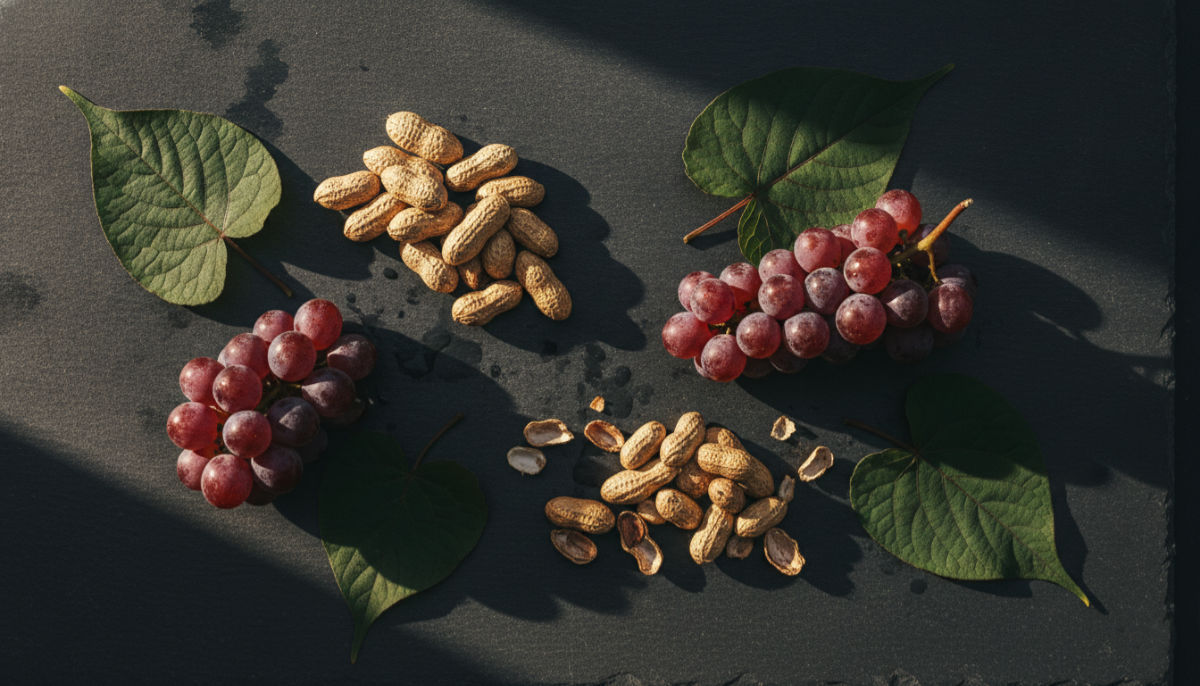
Resveratrol is a polyphenol - a plant compound found in grape skins, peanuts, blueberries and Japanese knotweed (the latter being the most concentrated supplement source). It exists in two forms: trans-resveratrol, which is biologically active, and cis-resveratrol, which is largely inert. This distinction matters when you are buying supplements.
Its main mechanism of action is sirtuin activation - specifically SIRT1, one of a family of genes that regulate mitochondrial function, inflammation, insulin sensitivity, DNA repair and cellular aging. When sirtuins are active, cells behave younger and more efficiently.
Resveratrol also activates AMPK, a metabolic sensor that encourages energy efficiency and triggers cellular cleanup processes including autophagy - the same pathways switched on by fasting, cold exposure and high-intensity exercise.
Some of the most dramatic longevity results in animal studies have come from caloric restriction - eating significantly less while maintaining nutrition. Resveratrol appears to mimic several of the molecular signals generated by caloric restriction, without requiring any reduction in food intake. This is why researchers describe it as a caloric restriction mimetic.
What the Research Actually Shows
Results in yeast, worms and mice have been dramatic. Studies showed significant lifespan extension. The scientific community got very excited. Then came the human trials - and the results were more modest and inconsistent.
This is not unusual for longevity research, and it does not mean resveratrol is worthless. It means its effects are subtle, slow and context-dependent - which is exactly the nature of most longevity interventions. You do not take resveratrol to feel a difference tomorrow. You take it to influence the arc of how you age over years.
What human studies do support includes improved insulin sensitivity, reduced inflammatory markers, some cardiovascular benefits and antioxidant protection. The evidence base is real - just more modest than the early hype suggested.
Why Resveratrol Is Rarely a Solo Act
This is the most important practical point about resveratrol: it works significantly better in combination with other longevity molecules than alone.
The reason is structural. Resveratrol activates sirtuins. But sirtuins require NAD+ as a cofactor to do their job. No NAD+, no sirtuin activity - regardless of how much resveratrol you take. This is why combining resveratrol with an NAD+ precursor like NMN or NR is not optional if you want real results. You are providing both the ignition and the fuel.
Some advanced formulas also pair resveratrol with pterostilbene - a structurally similar compound found in blueberries that has better oral bioavailability and slightly different receptor activity - or with quercetin, which inhibits CD38, an enzyme that consumes NAD+ reserves. The goal is to protect and amplify the NAD+ that your sirtuins need.
The Absorption Problem - and How to Solve It
Resveratrol has notoriously poor oral bioavailability in standard capsule form. It is rapidly metabolized in the gut and liver, meaning much of a standard dose never reaches circulation in meaningful concentrations.
There are three practical ways around this. First, take it with fat - resveratrol is lipophilic, meaning it absorbs significantly better in the presence of dietary fat. A fat-containing meal or a tablespoon of MCT or olive oil makes a real difference. Second, choose better formulations: liposomal delivery, micronized resveratrol or nanoparticle-enhanced formulas all show improved absorption in studies. Third, pair with piperine (black pepper extract), which can enhance absorption of many polyphenols.
Trans-Resveratrol
The biologically active isomer. Only form that activates sirtuins and provides longevity benefits. Always check the label - quality supplements specify trans-resveratrol content explicitly.
Cis-Resveratrol
The inactive form. Has no meaningful biological activity. Cheap products often contain high amounts of cis-resveratrol without disclosing the ratio. If the label does not specify trans-resveratrol, assume the worst.
Dosing
| Purpose | Daily Dose | Notes |
|---|---|---|
| Entry level / general antioxidant | 100 - 250mg | Trans-resveratrol, with fat |
| Longevity stack | 250 - 500mg | Combine with NMN or NR |
| Advanced protocols | Up to 1,000mg | Short-term use, medical context |
| Not recommended | - | Pregnancy, children, blood thinner users without medical advice |
Take in the morning or at lunch with a fat-containing meal. Some people find resveratrol mildly stimulating, so evening use is not ideal. A consistent daily dose is preferable to sporadic high doses - longevity compounds work through accumulation and sustained signaling, not peaks.
What It Stacks Well With
NMN / NR
Essential pairing. Resveratrol activates sirtuins - NMN and NR provide the NAD+ they need to function. Without this, resveratrol is working with one hand tied.
Pterostilbene
Structurally similar to resveratrol but more bioavailable and longer-lasting in the body. Many researchers consider it the superior compound for sustained sirtuin activation.
Quercetin
Inhibits CD38, an enzyme that depletes NAD+ reserves. Combining quercetin with resveratrol protects the NAD+ pool that sirtuins depend on.
Curcumin
Amplifies the anti-inflammatory effect. Both compounds modulate NF-kB, a key inflammation pathway. Together they provide broader coverage than either alone.
CoQ10
Both support mitochondrial health through different pathways. CoQ10 handles energy production; resveratrol handles cellular maintenance signaling.
MCT / Olive Oil
Not a supplement - a delivery mechanism. Taking resveratrol with dietary fat significantly improves absorption of this lipophilic compound.