
"Peptide" has become one of those words that sounds precise and scientific while actually telling you almost nothing. Technically, a peptide is just a short chain of amino acids linked together - shorter than a full protein, but built from the same building blocks. By that definition, the collagen in your morning protein shake is a peptide. So is insulin. So is GLP-1, the hormone that Ozempic and Wegovy mimic. So is BPC-157, a compound sold in vials online with labels reading "not for human consumption."
That's the core problem with treating "peptides" as one supplement category, the way most 2026 trend reports do when they cite a single multi-billion-dollar market size. It collapses two industries with almost nothing in common - one with real clinical trials and clear legal footing, the other with a regulatory status that is, as of this writing, actively being rewritten in real time.
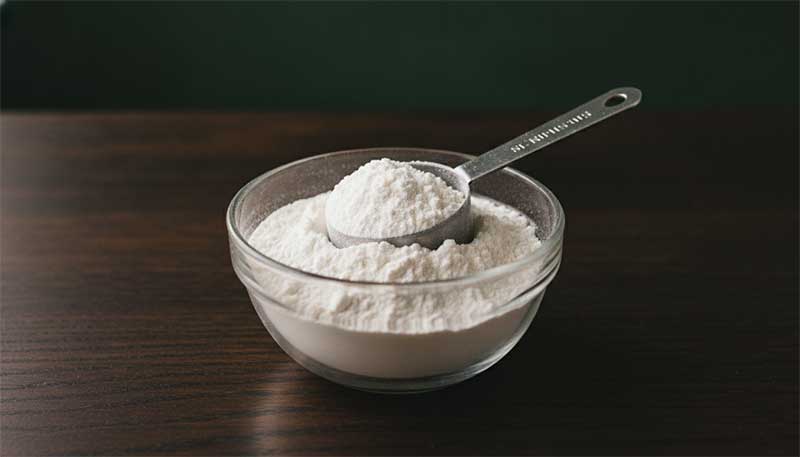
The Split: Two Worlds Sharing One Word
Collagen, Certain Bioactive Dipeptides
Sold as foods, supplements, or cosmetics. Established regulatory pathway. Multiple human RCTs.
- Collagen peptides for skin, joints
- Copper peptides (topical, e.g. GHK-Cu) for skin
- Collagen-derived GLP-1-stimulating peptides (e.g. Nextida GC)
"Research Peptides" - BPC-157, TB-500, etc.
Sold online, often labeled "research use only." Regulatory status actively in flux. Evidence base thin and narrow.
- BPC-157 (tissue repair claims)
- TB-500 (recovery claims)
- CJC-1295, Ipamorelin (growth hormone-related)
The first category behaves like any other supplement ingredient discussed elsewhere on this site - you evaluate the specific human trial evidence, the dose, the safety profile, same as magnesium or creatine. The second category needs a fundamentally different framework, because the central question isn't just "does it work" - it's "is what's being sold even legal to use this way, and who actually generated the data behind the claims."
Why BPC-157 Is the Case Study Worth Understanding
BPC-157 (Body Protection Compound-157) is the most recognized name in the "research peptide" world, and a February 2026 investigative report from STAT and Undark traced exactly how thin its evidence base actually is. A chief medical resident who decided to formally review the literature found that the overwhelming majority of existing data - which sounds substantial when summarized in marketing copy - traces back to a single research group based in Croatia. Independent replication from unrelated labs is sparse. Nearly all of it is animal or in-vitro data; rigorous human trials are essentially absent.
This connects directly to the kind of scrutiny worth applying to any health claim: a large volume of published papers from one team, however prolific, is not the same as broad scientific consensus built from independent replication. It's a structurally weaker form of evidence than results confirmed across multiple unrelated labs - precisely the distinction this site's piece on research methodology covers in more depth.

The Legal, Well-Evidenced Side of the Category
It would be a mistake to let the BPC-157 situation color the entire "peptide" word, because collagen peptides specifically have a genuinely different, much more mature evidence profile.
Collagen Peptides - Skin
Multiple double-blind, placebo-controlled trials (Proksch et al. and others) show oral collagen peptide supplementation reduces wrinkle depth and increases dermal collagen synthesis - among the better-evidenced "beauty-from-within" claims in the supplement world.
Collagen Peptides - Joints
Several RCTs support modest improvements in joint comfort and function with regular collagen peptide use, particularly in athletes and older adults, though effect sizes vary by study population and collagen source.
Specific GLP-1-Stimulating Collagen Peptides
Patented formulations like Nextida GC have published data showing activation of intestinal incretin hormone pathways and reduced post-meal glucose spikes - an emerging, food-derived alternative angle to the GLP-1 conversation, distinct from pharmaceutical GLP-1 agonists.
Topical Copper Peptides (GHK-Cu)
12-week clinical trials on topical copper peptide formulations report measurable reductions in wrinkle depth and improvements in skin firmness - a different application route (skin, not oral) with its own separate evidence base.
How to Actually Evaluate Any Peptide Claim
1. Is it oral/topical, or injectable? Oral collagen peptides and topical copper peptides are sold as conventional supplements/cosmetics with standard regulatory oversight. Injectable compounds marketed as "research chemicals" exist in a fundamentally different, currently unsettled legal space.
2. Where does the human data actually come from? A genuine body of independent RCTs (collagen) is a different evidentiary world than primarily animal studies from one research group (BPC-157). Ask specifically whether multiple unrelated labs have replicated a claim.
3. What does the actual product label say? "Not for human consumption" or "research use only" on an injectable peptide is not boilerplate legal cover - it reflects genuine, current regulatory status. Treat it as a real signal, not a technicality to route around.
Beyond the thin evidence base, injectable research peptides carry the standard risks of any unregulated, self-administered injectable: uncertain sterility, uncertain actual dose and purity (since these products aren't subject to standard supplement or pharmaceutical manufacturing oversight), and unknown long-term safety given the near-total absence of human trials. The WADA prohibited-substance status of several of these compounds (including a past listing for BPC-157) is itself a signal that regulatory and sporting bodies have flagged them for genuine scrutiny, not simply bureaucratic caution.
What This Means If You're Considering Either Category
Collagen Peptides
A reasonable, well-evidenced addition for skin and joint goals - see our dedicated collagen guide for dosing and sourcing specifics.
Creatine (Adjacent Category)
Not technically a peptide but frequently marketed alongside this category - one of the best-evidenced supplements available regardless of labeling trends.
"Research Peptides" (Medical Supervision Only)
If considering any injectable compound in this category for a real medical purpose, that conversation belongs with a licensed physician working through an actual legal compounding pathway - not a self-directed online purchase.