Iodine occupies a genuinely unusual position among the minerals covered on this site, because it's one of the few where both deficiency and excess carry real, well-documented risks, and where the right answer depends heavily on who's asking rather than being the same for everyone. That's a meaningfully different situation from something like manganese, where deficiency is essentially theoretical and there's little reason for most people to think about supplementation at all. Iodine deserves closer, more individualized attention, not because it's dangerous in the way a poorly-regulated botanical might be, but because it sits at the center of thyroid hormone production, and the thyroid is a genuinely sensitive, tightly regulated system where both too little and too much of the wrong input can cause real problems.
Iodine is an essential trace element your body uses to build thyroxine (T4) and triiodothyronine (T3), the two hormones produced by your thyroid gland that regulate metabolic rate, protein synthesis, and enzymatic activity throughout your body. These hormones are also critical for proper skeletal and central nervous system development in fetuses and infants, which is precisely why iodine deficiency during pregnancy has historically been, and in some parts of the world still is, one of the leading preventable causes of intellectual disability. This is the context that makes iodine deficiency a genuine global health priority rather than a niche nutritional concern, and it's worth holding onto that fact even as this article spends real time on the risks of the opposite problem.

A Real Case Worth Understanding in Detail
Rather than starting with abstract dosing numbers, it's worth walking through a specific, documented clinical case, because it illustrates exactly why "the recommended dose" isn't automatically the right answer for every individual - a point that applies well beyond iodine but that iodine demonstrates unusually clearly.
Two Genuinely Vulnerable Groups
Beyond this individual case, there are two identifiable populations where the evidence base specifically flags elevated sensitivity to iodine supplementation, and it's worth understanding each on its own terms rather than treating "thyroid caution" as one undifferentiated warning.
Hashimoto's Thyroiditis
Research following pregnant women with Hashimoto's thyroiditis found that iodine supplementation variably affected thyroid function, sometimes worsening existing hypothyroidism, and in rare cases actually inducing hyperthyroidism. The unpredictability itself is the key finding here: this isn't a population where a single, confident dosing rule applies cleanly.
Pregnancy
The UK's Committee on Toxicity has specifically highlighted that excessive iodine intake during pregnancy may lead to thyroid hypertrophy, hyperthyroidism, and adverse outcomes for both mother and fetus - a real, officially recognized concern distinct from the well-established risks of deficiency during the same period.
Thyroid Nodules
A 2026 systematic review and dose-response meta-analysis pooling 25 cross-sectional studies and 54,621 participants set out specifically to establish a definitive dose-response relationship between iodine status and thyroid nodule risk, and found the existing evidence too inconsistent to settle the question, describing it explicitly as an ongoing subject of debate.
High-Dose Kelp Research
Some controlled studies using kelp-derived iodine at 1,500-6,000mcg/day found no major adverse events or measurable thyroid changes - a genuinely reassuring finding for those specific trials, but worth noting that these doses run several times above the standard adult upper intake level of 1,100mcg, meaning this reassurance doesn't automatically extend to unsupervised, everyday supplementation at similar doses.
A 2026 review specifically addressing common myths and clinical realities around iodine and thyroid health states directly that routine high-dose iodine supplementation lacks supportive evidence and may contribute to thyroid instability, and that recognizing the geographic, epidemiologic, and individual pathophysiologic context of thyroid disease is essential to avoiding unnecessary harm. This is a genuinely balanced, current clinical position, not a blanket warning against iodine, but a specific caution against assuming more is automatically better, particularly for anyone without a clearly identified deficiency to correct.

Where This Overlaps With What We've Already Covered
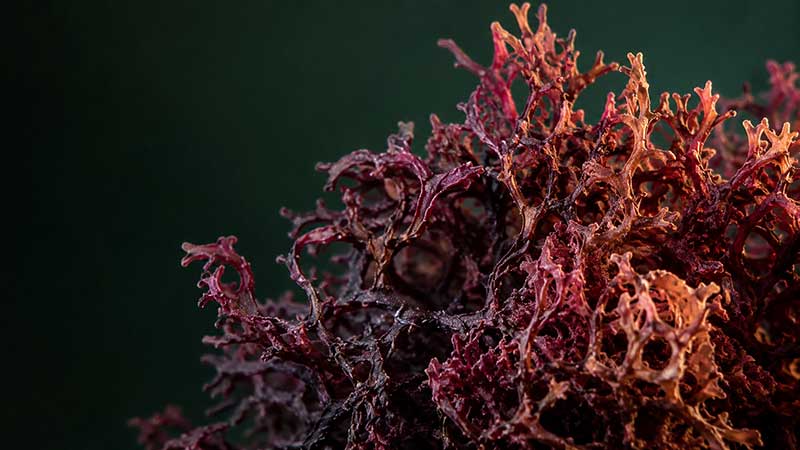
If you've read our sea moss article, some of this iodine-and-thyroid territory will feel familiar, and that's intentional rather than repetitive - sea moss and other seaweed-derived supplements are simply one specific, particularly unpredictable delivery vehicle for iodine, with the added complication of wildly inconsistent iodine content between products. Everything in this article about who should be cautious and why applies just as much to a standard iodine supplement, a multivitamin, or iodized salt as it does to seaweed - the thyroid doesn't distinguish between iodine sources, only total intake and individual sensitivity. If you're specifically evaluating a seaweed or kelp product, our sea moss guide covers the product-quality and content-variability angle in more depth; this article focuses on the dosing and vulnerability questions that apply across any iodine source.
A Practical Approach
Thinking About Your Own Situation
Dosing
| Population | Recommended Daily Intake | Notes |
|---|---|---|
| Adults | 150mcg/day | Standard recommended intake for non-pregnant, non-breastfeeding adults |
| Pregnancy | 220-250mcg/day (varies by guideline) | Requirements increase during pregnancy; discuss specific prenatal supplement iodine content with your physician, especially with any thyroid history |
| Breastfeeding | 250-290mcg/day (varies by guideline) | Requirements remain elevated during lactation |
| Tolerable upper intake level, adults | 1,100mcg/day | Total from all sources combined; some kelp products can approach or exceed this in a single serving |
Common side effects of excess iodine intake include diarrhea, nausea, vomiting, rash, and stomach discomfort; serious effects are rare but can include thyroid dysfunction or iodine poisoning at very high intakes. Anyone with a personal or family history of thyroid disease, and anyone who is pregnant or planning pregnancy, should discuss their specific iodine intake, including from multivitamins and any seaweed-based products, with a physician rather than assuming a standard dose is automatically appropriate. Total intake across all sources - diet, iodized salt, multivitamins, and supplements - is what matters for staying within a safe range, not any single product's dose considered in isolation.
What It Stacks Well With
Physician Guidance (Thyroid History)
The single most important addition for anyone with a personal or family history of thyroid disease before starting or adjusting iodine intake.
Prenatal Care Coordination
Iodine needs and sensitivity both shift during pregnancy - coordinating supplement choices with your prenatal care provider is genuinely valuable here.
Total Intake Tracking
Adding up iodine from multivitamins, prenatal vitamins, and any seaweed products helps ensure you're not unknowingly exceeding a sensible total.
Hashimoto's Thyroiditis (Caution)
Response to iodine supplementation is genuinely unpredictable in this population - individualized medical guidance matters more than general dosing rules.
High-Dose Kelp or Seaweed Products (Caution)
Some products can deliver several times the adult upper intake level in a single serving - check actual iodine content, not just serving size.
Routine High-Dose Use Without Indication (Caution)
Current clinical guidance specifically advises against this given the lack of supportive evidence and the real potential for thyroid instability.