GLP-1 medications like semaglutide (Ozempic, Wegovy) and tirzepatide (Mounjaro, Zepbound) work by dramatically reducing appetite - calorie intake commonly drops 16 to 39%. That's the entire mechanism behind their effectiveness, and it's also exactly why nutrition becomes a genuine, practical concern rather than an afterthought: eating significantly less food makes it mathematically harder to get enough protein, fiber, and micronutrients, even when you're not trying to restrict anything specific.
What's surprising is how little structured guidance exists for something now used by an enormous and rapidly growing population. A systematic scoping review published in Obesity Reviews in early 2026, led by researchers at the University of Cambridge and UCL, searched specifically for studies examining nutrition alongside semaglutide or tirzepatide treatment. They found only 12 studies that fit, and those studies used inconsistent methods and reporting - making it genuinely difficult to draw firm, evidence-based conclusions about the best way to support people on these medications nutritionally.
The Muscle Loss Debate - A Real, Live Disagreement
This is the most contentious part of the GLP-1 nutrition conversation, and it deserves to be presented as the genuine disagreement it currently is, not a settled question in either direction.
"A Manufactured Controversy"
Dr. Yoni Freedhoff, an obesity medicine physician, argues that muscle loss during GLP-1 treatment simply mirrors what happens with any significant weight loss - a smaller body needs less muscle to carry it, the same way putting down a heavy backpack you'd carried for years would eventually shrink the muscles that adapted to carrying it. He points to body composition data showing function (like grip strength) often holds up even as absolute lean mass declines.
Real, Heterogeneous, Possibly Underestimated
Multiple 2025-2026 reviews report lean mass accounts for roughly 20-30% of total weight lost in most studies, with some specific papers citing a wider 40-60% range depending on population, drug, and dose - genuine methodological heterogeneity, not a single clean number either side can claim definitively.
Dr. Freedhoff has disclosed receiving research funding from Novo Nordisk, the manufacturer of Ozempic and Wegovy. This is openly stated in his own published disclosure, not a hidden detail - and it doesn't automatically make his argument wrong. But it's exactly the kind of funding-source context this site's coverage of research methodology argues you should weigh, not ignore, when evaluating how much confidence to place in any single expert's framing of contested data.
Where Both Sides of the Debate Actually Agree
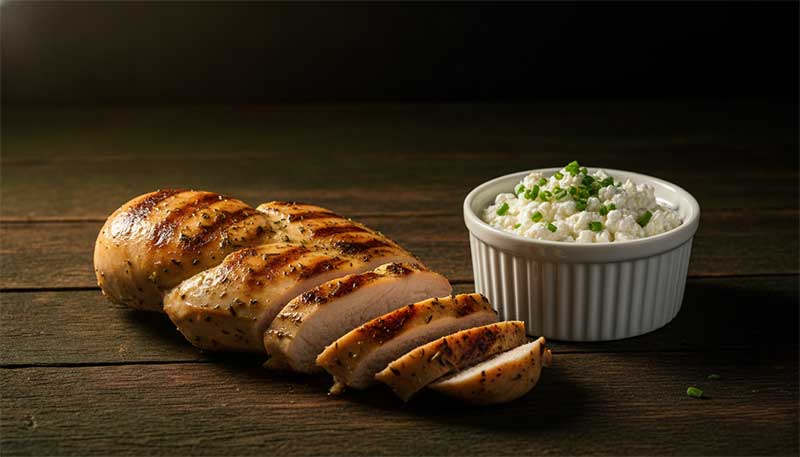
Regardless of how seriously you weigh the muscle-loss concern, the practical recommendations converge from both directions: prioritize protein intake, and incorporate resistance training. Neither carries meaningful downside risk, and both are independently well-supported regardless of which interpretation of the GLP-1 body composition data turns out to be more accurate.
Higher Protein Intake
Cambridge researchers specifically recommend prioritizing nutrient-dense, high-quality protein distributed evenly across meals, drawing on established post-bariatric-surgery nutrition principles given the structural similarity in appetite suppression.
Resistance Training
Multiple 2025-2026 reviews specifically recommend progressive resistance training alongside GLP-1 treatment to help preserve lean mass and function - this is one of the few interventions both sides of the debate converge on without disagreement.
Smaller, More Frequent Meals
While rarely tested formally in clinical trials, researchers suggest this approach may ease common GI side effects (nausea) and improve medication tolerability, particularly early in treatment.
Strict Low-Fat Dieting
The Cambridge review specifically found no evidence supporting strict low-fat diets alongside these medications - despite some observational data showing GLP-1 users often consume high total/saturated fat, suggesting personalized fat-intake guidance may be more useful than blanket restriction.
The Specific Nutrient Gaps Worth Planning For
Beyond the muscle-loss debate, the more mundane and consistently agreed-upon concern is straightforward: eating 16-39% less food makes it genuinely harder to hit baseline micronutrient targets, especially for nutrients that are already commonly marginal in typical diets.
What Actually Deserves Deliberate Attention
What It Stacks Well With
Creatine
One of the best-evidenced muscle-support supplements available, independent of the GLP-1 debate entirely - a reasonable, low-risk addition specifically for anyone prioritizing lean mass preservation.
Collagen Peptides
Some specific collagen peptide formulations have published data on supporting muscle and metabolic health alongside reduced appetite - see our dedicated collagen guide for the broader evidence.
Magnesium
Commonly under-consumed even in typical diets; worth particular attention when total food intake drops substantially, given magnesium's role in dozens of basic metabolic processes.
B12 (If Tested Low)
Worth supplementing specifically if a blood test confirms marginal or low status, rather than blanket high-dose supplementation without a documented need.
Fiber Supplements
Can help offset the fiber gap that often accompanies reduced total food volume, and may also ease GI side effects common with these medications.
Aggressive Fat-Burner Stacks (Avoid)
Stacking stimulant-heavy weight-loss supplements on top of an already appetite-suppressing medication adds risk without a clear evidence-based rationale - this combination is worth actively avoiding, not exploring.