Social media discovered berberine a couple of years ago and immediately gave it a marketing problem: "nature's Ozempic." Catchy. Shareable. Mostly wrong.
Here is the thing that makes this one actually interesting: unlike most supplement hype, the blood sugar claim is not nonsense. There is real pharmacology behind it. The weight loss claim is where things get sloppy.
Let's separate the two - because conflating them is exactly the kind of category error that gives supplement marketing a bad name, even when, like here, there is real science underneath it.

What Berberine Actually Is
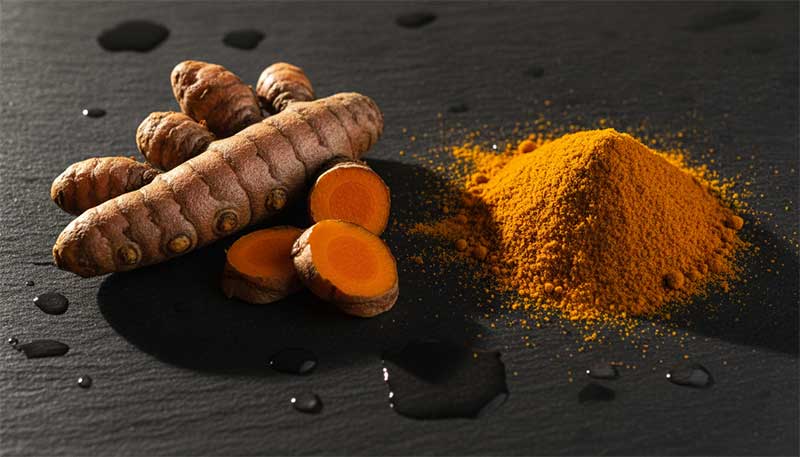
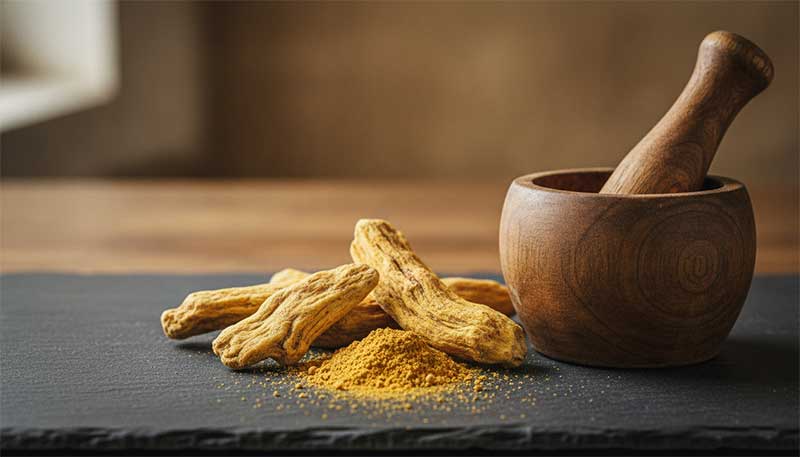
Berberine is a yellow alkaloid compound extracted from several plants - barberry, goldenseal, Oregon grape and others used in traditional Chinese and Ayurvedic medicine for centuries, mostly for digestive complaints and infections. Nobody was taking it for blood sugar in 1850.
The blood sugar angle is a 21st-century discovery, and it is the part with actual clinical weight behind it.
The Mechanism - Why This One Is Not Just Snake Oil
Berberine activates an enzyme called AMPK - adenosine monophosphate-activated protein kinase. Think of AMPK as a cellular energy sensor. When it switches on, cells shift into a "low energy" mode: they pull in more glucose from the blood, become more sensitive to insulin, and dial down glucose production in the liver.
This is, mechanistically, similar to what metformin does. That is not marketing spin - it is a legitimate pharmacological parallel that has been studied directly in head-to-head human trials.
Multiple randomized trials have compared berberine against metformin for blood sugar control in type 2 diabetes. Several found roughly comparable reductions in fasting glucose and HbA1c. This is the actual basis for the "natural alternative" framing - and it is a real finding, not influencer math.
What the Evidence Actually Shows
Blood sugar control: strong. This is berberine's best-supported use case. Multiple randomized controlled trials and at least two meta-analyses show meaningful reductions in fasting blood glucose, HbA1c and post-meal glucose spikes in people with type 2 diabetes or prediabetes. Effect sizes in several trials rival oral diabetes medications - which is unusual for a supplement.
Lipid profile: moderate. Decent evidence for modest reductions in LDL cholesterol and triglycerides, likely through a different mechanism - berberine appears to upregulate LDL receptors in the liver, conceptually similar to how statins work, though far less potent.
Weight loss: weak - and this is where the hype outruns the data. Most weight loss attributed to berberine in studies is small, a few kilograms over several months, and frequently confounded by simultaneous diet changes built into the trial protocols. There is no trial showing berberine producing GLP-1-drug-level weight loss. Ozempic and similar drugs routinely produce 10-15%+ body weight reduction in trials. Berberine does not. Not close.
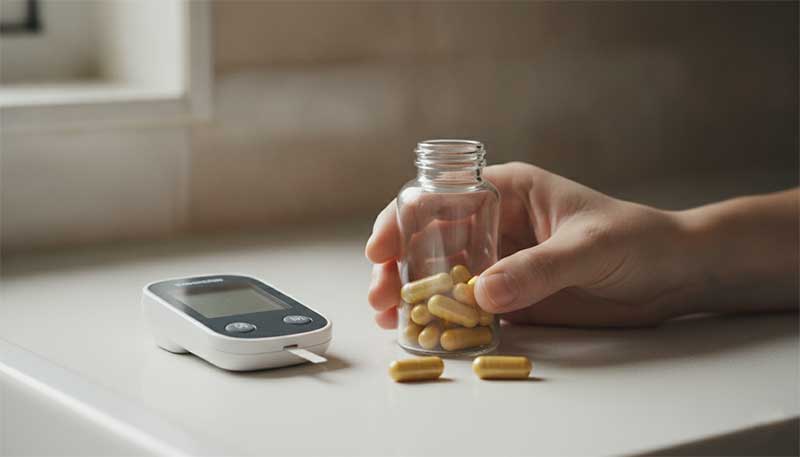
Berberine vs. Ozempic - Where the Comparison Breaks
Blood Sugar Control
Berberine's AMPK activation and metformin's mechanism overlap meaningfully. Several head-to-head trials show comparable glucose and HbA1c reductions. This part of the comparison holds up.
Weight Loss Magnitude
GLP-1 drugs work through appetite suppression in the brain and slowed gastric emptying - a different mechanism entirely. Trial weight loss for berberine is a fraction of what GLP-1 drugs produce. Treating these as interchangeable misleads people about what to expect.
The Catch Almost Nobody Mentions
Berberine has real, well-documented drug interactions, because it inhibits liver enzymes (CYP3A4 and others) that metabolize a long list of common medications - statins, blood thinners, some antidepressants, and yes, diabetes medications including metformin itself.
This matters more than the average supplement warning label, because the exact people most likely to want berberine - people managing blood sugar - are also the people most likely to already be on medications it interacts with. If you are on any prescription medication, this is a genuine "talk to your doctor first" situation, not a reflexive disclaimer.
Anyone on diabetes medication, statins, blood thinners, or anything metabolized by the liver. Berberine can intensify these drugs' effects unpredictably. This is not a theoretical risk - it is a documented pharmacokinetic interaction. GI side effects (cramping, diarrhea, constipation) are also common at higher doses, especially when starting.
Almost certainly not without medical supervision. Both work through overlapping mechanisms, and stacking them increases the risk of excessive blood sugar lowering (hypoglycemia) and amplifies the interaction risk described above. This is a conversation for your doctor, not a stack to build on your own.
Dosing - What the Trials Actually Used
| Level | Daily Dose | Notes |
|---|---|---|
| Entry level | 500mg | Once with the largest carb-containing meal; assess tolerance |
| Standard (most trials) | 900-1500mg | Split into 2-3 doses, taken with meals containing carbohydrates |
| Upper trial range | 1500mg | Typically the ceiling used in clinical research; diminishing returns beyond this |
| Not recommended | - | Pregnancy, breastfeeding, combined with diabetes medication without medical guidance |
Timing matters here more than with most supplements - taking it with carbohydrate-containing meals is when the AMPK activation is doing the most relevant work. Splitting the dose across meals also reduces GI side effects compared to one large dose.
What It Stacks Well With
TMG
Supports methylation balance, which can be useful alongside any AMPK-activating compound used long-term.
Magnesium
Cofactor in glucose metabolism and insulin signaling - complements berberine's blood sugar mechanism directly.
Omega-3
Supports the lipid-related benefits berberine targets, from a complementary anti-inflammatory angle.
Lower-Carb Meals
Not a supplement, but the obvious amplifier - berberine's mechanism works with reduced glucose load, not against it.
Exercise
Also activates AMPK directly. The combination targets the same pathway from two angles with solid mechanistic logic.
Avoid: Diabetes Medication
Not a synergy - a warning. Combining without medical supervision risks excessive blood sugar lowering.