
Melatonin is one of the most widely used sleep aids in the world, and it has a genuinely reassuring overall safety profile - it's a hormone your own pineal gland already produces every night, it doesn't appear to be addictive, and short-term use in healthy adults is well tolerated. That reassuring baseline is exactly why it's worth looking closely at the two places where the actual evidence and the actual market have drifted apart: the dose most people are taking, and the products increasingly ending up in young children's hands.
The Dose Question: What the Best Available Evidence Actually Shows
Walk into any pharmacy and the melatonin shelf tells a consistent story: 5mg, 10mg, sometimes higher, marketed with the implicit logic that more milligrams means a stronger effect. The actual dose-response research doesn't support that logic particularly well.
1,689Pooled Trials
Several wellness sources describe an even lower "physiological" dose of around 0.3mg (roughly matching the amount your body produces naturally at night) as outperforming standard doses, sometimes citing an unnamed "landmark" study from prestigious institutions without a clear, checkable citation. This is precisely the kind of claim worth pausing on: it may turn out to have real support, but as currently circulated, it isn't traceable to a specific, findable peer-reviewed paper the way the 3-5mg dose-response meta-analysis above is. The honest position is that 0.3mg is a physiologically interesting reference point, not yet a confirmed, better-performing dose than the 3-5mg range with actual trial data behind it.
The Label Accuracy Problem
Even a well-chosen dose only matters if the product actually delivers it, and melatonin has a genuinely poor track record here compared to most other supplement categories covered on this site.
2023 JAMA Study, Gummies
Testing of 25 commercial melatonin gummy products found 22 (88%) were inaccurately labeled, with actual content ranging from 74% to 347% of what the label stated - meaning some products delivered less than a third of the intended dose, others more than triple.
Why This Happens
Melatonin is regulated as a dietary supplement in the US, not a drug, meaning products don't require FDA approval or standardized manufacturing verification before reaching shelves - a structural reason accuracy varies so widely.
Choosing More Reliable Products
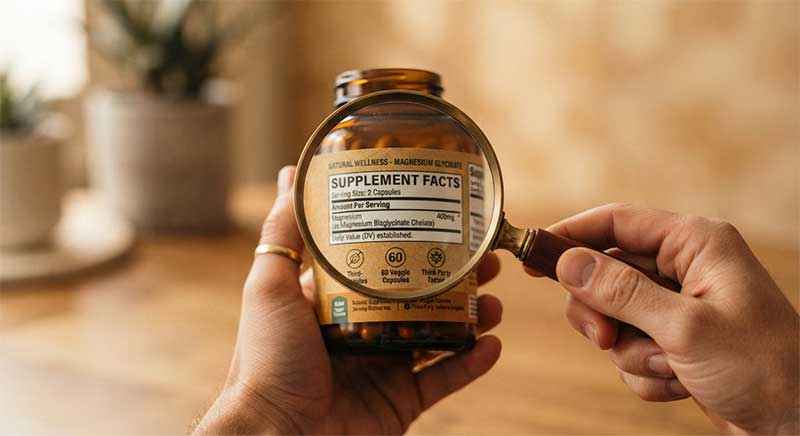
Products carrying third-party verification (such as USP or NSF certification) have their labeled content independently checked against actual composition - a meaningfully more reliable signal than label claims alone.
Why This Matters More for Melatonin Specifically
Because the effective dose range is already lower than most products' labeled strength, inaccurate labeling compounds the dosing problem - someone trying to take a sensible 3mg dose could unknowingly be taking anywhere from about 2mg to over 10mg from the same labeled product.
A Real, Growing Safety Issue: Young Children and Melatonin Gummies
This is the part of the melatonin conversation that deserves considerably more attention than it typically gets, because it's not a theoretical risk - it's an active, measured, worsening public health pattern.
CDC surveillance data found approximately 11,000 emergency department visits for unsupervised melatonin ingestion by children age 5 and under between 2019 and 2022 alone. Poison control center calls involving pediatric melatonin exposure rose 530% between 2012 and 2021, and melatonin is now the leading cause of unsupervised medication ingestion treated in US emergency rooms for young children specifically. Flavored gummy formulations - cherry, grape, and similar candy-like products - are heavily overrepresented in these cases, precisely because they're designed to be palatable and don't register to a young child as anything other than a treat.
It's worth being precise about what the research does and doesn't establish here. A January 2026 systematic review specifically examining melatonin use in children under 5 found genuine effectiveness evidence, but only in a specific population: children with neurologic conditions like autism spectrum disorder, studied in trials averaging around 13 weeks. For typically developing young children without a neurologic or sleep-disorder diagnosis, the review found no efficacy data exists at all - meaning the product is being given to many children in a context the research hasn't actually tested.
Children With Neurodevelopmental Conditions
A prescription prolonged-release melatonin formulation showed genuine, statistically significant improvements in sleep onset, duration, and nighttime awakenings over 52 weeks in children with autism spectrum disorder and related conditions - a legitimate, well-evidenced clinical use case.
Typically Developing Young Children
The January 2026 review found no efficacy data for melatonin in typically developing children under 5 - a genuine, acknowledged evidence gap, not a settled "it doesn't work" finding, but also not a basis for confident use.
A Practical Approach
Using Melatonin Sensibly
Dosing
| Purpose | Evidence-Supported Range | Notes |
|---|---|---|
| General sleep onset support, adults | 3 - 5mg, taken ~1-3 hours before bedtime | Reflects the peak of the dose-response curve from the largest available meta-analysis |
| Jet lag | 0.5 - 5mg, timed to destination bedtime | Timing relative to the target sleep window matters more than the specific dose within this range |
| Shift work sleep support | 1 - 3mg, before daytime sleep periods | Used to help maintain sleep quality when sleeping outside normal nighttime hours |
| Children with neurodevelopmental conditions | Per pediatrician guidance | Should be medically supervised; not a self-directed dosing decision |
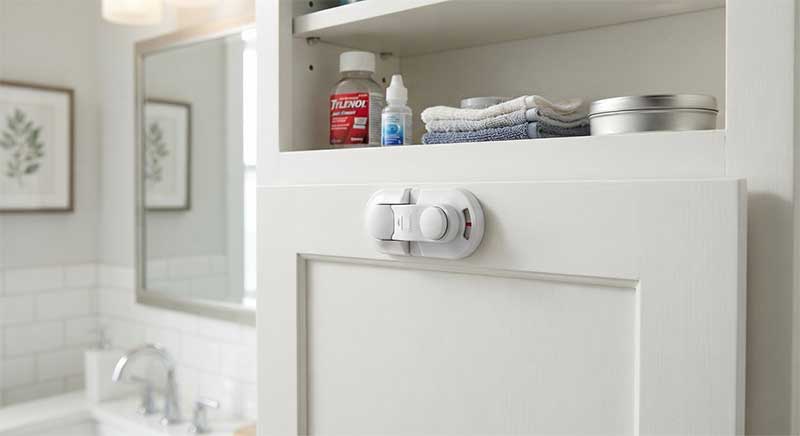
Short-term melatonin use in healthy adults is generally well tolerated, with morning grogginess, vivid dreams, and mild headache as the most common side effects, particularly at higher doses. Adults with autoimmune conditions, depression, or seizure disorders should discuss use with a physician first. Pregnant and breastfeeding individuals should avoid melatonin unless specifically directed by a doctor. Given the well-documented pediatric overdose pattern, store all melatonin products - especially flavored gummies - with the same caution as any medication, out of children's sight and reach. If you have a child with a diagnosed sleep or neurodevelopmental condition, discuss appropriate use directly with their pediatrician rather than self-dosing.
What It Stacks Well With
Consistent Sleep Timing
Melatonin works best as a timing signal alongside a consistent bedtime and wake time, not as a substitute for basic sleep hygiene.
Reduced Evening Light Exposure
Bright light in the evening suppresses your own natural melatonin production - pairing supplementation with dimmer evening lighting supports the same underlying process.
Third-Party Verified Products
Given the well-documented label accuracy problems in this category, verification matters more here than for most other supplements on this site.
Sedatives / Sleep Medications (Caution)
Combining melatonin with other sedating substances can compound drowsiness - discuss with a physician if you're taking a prescribed sleep medication.
Blood Thinners / Blood Pressure Medication (Caution)
Melatonin has documented interactions with some anticoagulants and blood pressure medications - flag use with your prescriber.
Unsupervised Access by Children (Caution)
The single most important practical precaution in this entire category - store like medication, always.