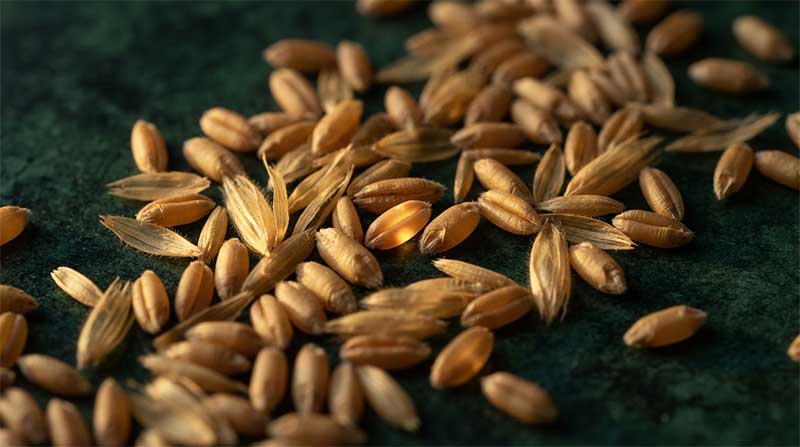
Pantothenic acid takes its name from the Greek pantos, meaning "everywhere" - a fitting description, since it's found in nearly every food category: meat, eggs, whole grains, legumes, avocados, mushrooms, and more. It's the precursor to coenzyme A, a molecule involved in literally hundreds of metabolic reactions, most centrally the conversion of carbohydrates, fats, and proteins into usable energy. Genuine dietary deficiency is essentially unheard of outside of severe, prolonged malnutrition.
That should make B5 one of the most boring vitamins on this site - and at ordinary doses, it mostly is. What makes it worth a full article is what happens at doses hundreds of times higher, where a decades-old, mechanistically shaky hypothesis about acne became a genuine (if small) clinical finding, and where a related but chemically distinct compound gets routinely confused with plain pantothenic acid on supplement labels.

Where the Acne Theory Actually Comes From
In 1995, a Hong Kong physician named Dr. Lit-Hung Leung published a hypothesis in the journal Medical Hypotheses - a publication explicitly dedicated to speculative theoretical proposals, not original clinical results. Leung proposed that during puberty, rising hormone production causes the body to preferentially direct coenzyme A toward androgen synthesis rather than fatty acid metabolism, leading to a buildup of fatty acids that get excreted through sebaceous glands as excess sebum - the proposed root cause of acne. His proposed fix: megadoses of pantothenic acid (10-20g/day) to supply enough coenzyme A for both processes simultaneously.
This is worth stating plainly: there is no published evidence documenting that coenzyme A actually gets preferentially diverted to androgen production over fatty acid metabolism during puberty, or that this diversion is what drives acne. The entire theoretical foundation of the megadose B5 acne approach rests on an uncontrolled case series and a plausible-sounding but unverified biochemical story - not confirmed physiology.
But One Real Trial Found a Genuine Effect
Here's the twist that makes this more than a debunking story: a properly designed randomized, double-blind, placebo-controlled trial was eventually run, and it found something real - even though the underlying mechanism proposed to explain it remains unverified.
The honest summary: the mechanism marketed alongside this treatment is unproven speculation from 1995, but the actual clinical trial data, while thin, is real and was properly controlled. Those are two separate claims, and it's worth evaluating them separately rather than dismissing the whole approach because its origin story is weak, or trusting it fully because one trial worked.

The Compound Everyone Confuses With B5: Pantethine
A second, unrelated controversy sits under the B5 umbrella, and it's largely a labeling and terminology confusion rather than a scientific dispute. Pantothenic acid and pantethine are not the same compound - pantethine is a more direct precursor to coenzyme A, synthesized from two molecules of pantothenic acid joined together, and it behaves quite differently in the body.
| Compound | What It Is | Cholesterol Evidence | Regulatory Status |
|---|---|---|---|
| Pantothenic Acid (B5) | The vitamin itself, found in nearly all foods | No meaningful effect documented | Vitamin, sold everywhere as B5 |
| Pantethine | A direct precursor to coenzyme A, derived from two pantothenic acid units | Modest, real RCT-backed reductions | Supplement in the US; prescription drug for hyperlipidemia in Japan |
Pantethine, RCT (n=32)
A triple-blinded, placebo- and diet-controlled trial at 600-900mg/day over 16 weeks found significant reductions in total cholesterol and LDL-C in a low-to-moderate cardiovascular risk population eligible for statin therapy.
Head-to-Head vs. Direct CoA
A comparative trial found direct coenzyme A supplementation produced significantly greater reductions in triglycerides (33.3% vs 16.5%) and total cholesterol than pantethine - though LDL and HDL didn't differ significantly between the two.
Overall Evidence Quality
Independent reviews (including Examine.com's analysis) describe the pantethine evidence as promising but small and inconsistent, with much of the surrounding literature being non-placebo-controlled and higher risk of bias.
Plain Pantothenic Acid Alone
There is no research suggesting pantothenic acid itself affects cholesterol levels - any cholesterol-related benefit attributed to "B5" in casual conversation is almost certainly conflating it with pantethine.
If you're shopping for a cholesterol-support supplement, check the label carefully - "pantothenic acid" and "pantethine" are not interchangeable, despite both being B5-related and often shelved next to each other. Only pantethine has real (if modest) trial support for lipids; plain pantothenic acid does not.
A Practical Quality Checklist
Before You Buy Any B5-Related Supplement
Dosing
| Purpose | Typical Dose | Notes |
|---|---|---|
| General maintenance / adequate intake | 5mg/day | Easily met through diet alone for virtually all adults |
| Acne (as studied) | 2.2 - 10g/day, pantothenic acid | Reflects the one properly controlled RCT and the earlier uncontrolled case series - not independently replicated |
| Cholesterol support (as studied) | 600 - 900mg/day, pantethine specifically | Not plain pantothenic acid - check the label |
Pantothenic acid is considered one of the safest vitamins at any tested dose, with no established tolerable upper intake level. At very high doses (10g/day and above), the most commonly reported side effect is mild gastrointestinal upset or diarrhea, along with harmlessly bright yellow urine reflecting excess water-soluble vitamin excretion. Pantethine at standard studied doses (600-900mg/day) has a similarly favorable safety profile, though anyone already on cholesterol medication should coordinate with their prescriber before adding it.
What It Stacks Well With
B-Complex (B1, B2, B6, B12)
Pantothenic acid works alongside the other B-vitamins in overlapping energy-metabolism pathways via coenzyme A at ordinary dietary doses.
Biotin (B7)
Both are water-soluble B-vitamins commonly paired in hair and skin-focused formulations, though independent evidence for either on hair growth specifically is limited.
Statins (as Adjunct, Pantethine Specifically)
Some practitioners use pantethine alongside a lower statin dose to reduce myopathy risk while maintaining lipid control - an off-label combination worth discussing with a prescriber.
Megadose Without Supervision (Caution)
The 2.2-10g/day acne dose range is far outside normal supplementation - reasonable to try under medical guidance, not as an unsupervised long-term regimen.
Label Confusion (Caution)
Double-check whether a product actually contains pantethine or plain pantothenic acid before expecting any cholesterol effect - the two are frequently conflated in marketing.
Cholesterol Medication (Caution)
Combining pantethine with prescription lipid-lowering drugs should be coordinated with a physician, even though the safety profile is generally favorable.